How to Make Coffee at Home Taste Like a Nashville Coffee Shop
If your home coffee tastes worse than the cup you get from a good Nashville coffee shop, the problem is usually not magic. Cafés are better because they repeat the basics: fresh coffee, better water, correct grind size, consistent ratios, clean equipment, and a brew method that fits the roast. You can copy most of that at home without buying a commercial espresso machine or pretending coffee is your new religion.
This is not another generic list of coffee shops in Nashville. We already know Nashville has good coffee. The better question is: what are those shops doing that your kitchen is not?
Most likely reasons your home coffee does not taste like café coffee
- You are using stale coffee.
- Your grind size does not match your brew method.
- You are using tap water that tastes bad before it even touches coffee.
- You are guessing your coffee-to-water ratio.
- You are using the wrong roast for how you drink coffee.
- Your grinder or brewer needs cleaning.
- You keep changing everything at once, so you never know what worked.
Most bad home coffee is not mysterious. It is usually a freshness, water, grind, ratio, or equipment problem.
Use Nashville coffee shops as your benchmark, not your crutch
Nashville has enough good cafés that you can use them as a reference point. Go taste what works, then pay attention to why it works.
Do not just say, “That latte was good.” Get more specific.
- Was the coffee strong enough through milk?
- Did the black coffee taste clean or sour?
- Was the cold brew smooth or flat?
- Did the espresso taste balanced or harsh?
- Was the drink good because of the coffee, or because syrup covered the problem?
That is how you bring the right lesson home.
Nashville coffee shops to use as reference points
This is not the full “best coffee in Nashville” ranking. Treat these as benchmarks for different coffee styles.
Crema: benchmark for clean, serious coffee
Crema is a good reference point if you want to understand cleaner café coffee. It is one of the safer Nashville stops when you want a coffee-first experience instead of a drink that survives on syrup and whipped cream.
What to study:
- How clean the espresso tastes
- Whether the brewed coffee has a clear finish
- How much flavor comes through without heavy add-ins
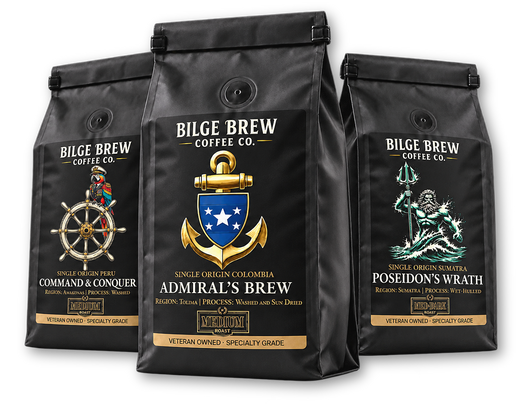
Home lesson: if you like this style, you probably need fresher beans, better water, and more control over grind size. Start with a clean medium roast like Admiral’s Brew Colombia Single Origin if you want a black-coffee-friendly cup for drip, pour over, or AeroPress.
Frothy Monkey: benchmark for coffee plus food
Frothy Monkey works because it is an all-day café. You can get coffee, breakfast, lunch, dinner, and a place to sit. That does not make it the most technical coffee stop in Nashville, but it does make it useful.
What to study:
- How the coffee fits a normal morning
- Which drinks work with food
- Whether you want comfort and consistency more than coffee geek precision
Home lesson: your everyday coffee should be easy to repeat. If you want a no-drama daily roast, start with Maritime Roast or Admiral’s Brew. Do not overbuild your setup if all you need is a better morning cup.
Bongo Java: benchmark for old-school Nashville café energy
Bongo Java is part of Nashville coffee history. It is useful as a reference if you want a casual local café feel instead of a highly polished specialty shop experience.
What to study:
- Whether you care more about atmosphere or precision
- How a simple brewed coffee holds up
- What kind of café you actually return to
Home lesson: not every cup has to be a lab project. If you want coffee that is better than grocery-store coffee but still easy to drink every day, do not chase the weirdest roast first. Pick something balanced.
8th & Roast: benchmark for neighborhood roaster coffee
8th & Roast is the kind of Nashville shop people mention when they want a stronger neighborhood coffee option. It is a useful reference if you like the idea of a local roaster and want your home coffee to feel less generic.
What to study:
- How fresh roasted coffee differs from stale shelf coffee
- How much roast level changes the cup
- Whether you prefer medium, medium-dark, or dark coffee
Home lesson: freshness matters, but freshness alone does not fix the wrong roast. If you like heavier coffee, try Bilgewater. If you want darker and stronger, try Anchor Espresso.
Sump Coffee: benchmark for coffee-forward precision
Sump is the kind of shop to use as a benchmark if you want to taste more precise coffee. This is where flaws become obvious. If the grind, water, and extraction are wrong, you notice.
What to study:
- How clean a pour over can taste
- How bright coffee differs from sour coffee
- Whether you actually like high-clarity coffee or just think you are supposed to
Home lesson: if you want this style at home, you need a burr grinder, filtered water, a scale, and patience. Start with Admiral’s Brew if you want a clean medium single origin that works well for drip, pour over, and AeroPress.
Honest Coffee Roasters: benchmark for modern consistency
Honest Coffee Roasters is a good reference point for modern café consistency. It fits the person who wants the cup to be clean, the drink to be dependable, and the shop to feel polished without becoming sterile.
What to study:
- How consistent the drink tastes from visit to visit
- Whether the espresso holds up in milk
- How the café balances approachable drinks with better coffee
Home lesson: consistency beats novelty. Before buying five brewing gadgets, get one coffee, one ratio, one grinder setting, and repeat it until it works.
Café Babu, Flora + Fauna, and Little Rad: benchmark for newer café energy
Newer Nashville coffee shops are useful because they show where the city’s café scene is moving. Some lean creative. Some lean food. Some lean design. That does not automatically mean better coffee, but it does give you more reference points.
What to study:
- Whether creative drinks still taste like coffee
- How much sweetness you actually enjoy
- Whether you want clean coffee or café novelty
Home lesson: if your favorite café drink is a flavored latte, you still need coffee that can stand up underneath the flavor. Weak coffee plus syrup is just expensive dessert water.
The home coffee setup that copies most café results
You do not need every gadget. You need fewer variables and better control.
1. Use filtered water
Coffee is mostly water. If your tap water tastes metallic, chlorine-heavy, flat, or weird, your coffee will too.
Start here:
- Use filtered water.
- Do not use old water that has been sitting in the machine reservoir.
- Clean mineral buildup from your brewer when needed.
This is one of the least exciting fixes and one of the most obvious once you taste the difference.
2. Grind fresh if you can
Grinding fresh is one of the fastest ways to improve home coffee. Pre-ground coffee is convenient, but it loses aroma and freshness faster.
If you can afford one meaningful upgrade, buy a burr grinder. Blade grinders chop unevenly. Burr grinders produce a more consistent grind, which makes the cup easier to control.
Use this simple grind guide:
-
French press: coarse
-
Cold brew: coarse
-
Drip coffee: medium
-
Pour over: medium to medium-fine
-
Moka pot: medium-fine
-
Espresso: fine
If your coffee tastes bitter, grind coarser. If it tastes sour or weak, grind finer. Change one notch at a time, not like a maniac.
3. Use one repeatable ratio
Guessing is why your coffee tastes different every morning.
Use this baseline:
-
Standard coffee: 1 gram coffee to 16 grams water
-
Stronger cup: 1:15
-
Lighter cup: 1:17
Example: 20 grams of coffee to 320 grams of water makes a solid mug.
No scale? Use one to two tablespoons per six ounces of water as a rough starting point. But if you want repeatable café-style coffee at home, use a scale. Eyeballing coffee is how you end up arguing with your mug.
4. Stop changing five things at once
If your coffee tastes bad, change one variable.
- Too bitter? Grind coarser or shorten brew time.
- Too sour? Grind finer or extend brew time.
- Too weak? Use more coffee or grind finer.
- Too muddy? Grind coarser or clean your brewer.
- Flat and stale? Use fresher coffee.
If you change the coffee, grind, water, ratio, and brew time all at once, you learned nothing.
5. Clean your gear
Old coffee oils make new coffee taste rancid, bitter, or dirty. This is especially true with grinders, French presses, moka pots, espresso machines, and drip brewers.
Read this if your grinder has not been cleaned since you bought it: how to clean your burr grinder.
Pick the right brew method for the café result you want
If you want strong coffee without an espresso machine: moka pot
Moka pot coffee is concentrated, bold, and cheaper than buying an espresso machine. It is not true espresso, but it can scratch the same itch.
Use it if you like strong coffee, milk drinks, or café-style intensity without a complicated setup.
Read next: moka pot coffee guide.
Best Bilge Brew pick: Anchor Espresso.
If you want full-bodied coffee without much effort: French press
French press is forgiving. It makes heavier coffee and does not require a perfect pouring technique.
Use it if you want a thicker cup and do not want to stand there pretending your kettle technique is sacred.
Read next: French press coffee guide.
Best Bilge Brew picks: Bilgewater, Anchor Espresso, or Sea Witch French Dark Roast.
If you want clean black coffee: pour over
Pour over is good when you want clarity. It is less forgiving than French press, but it can make a cleaner cup when your grind, water, and ratio are right.
Use it if you like black coffee and want to taste more of the roast instead of hiding it under milk.
Read next: How professionals test coffee according to the SCA.
Best Bilge Brew pick: Admiral’s Brew Colombia Single Origin.
If you want smooth iced coffee: cold brew
Cold brew is useful because you can make it ahead and keep it ready. It is smoother than rushed hot coffee over ice, and it works well when you want something strong without a sharp finish.
Read next: easy cold brewing at home.
Best Bilge Brew collection: Cold Brew Coffee.
If you want real espresso: espresso machine
Espresso is less forgiving than every other method here. It exposes stale coffee, bad grind size, sloppy puck prep, and inconsistent dose fast.
Use espresso if you are willing to weigh your coffee, adjust grind size, and troubleshoot sour or bitter shots.
Read next: espresso troubleshooting guide.
Best Bilge Brew picks: Anchor Espresso or the Bilge Brew Espresso Bundle.
Find the Bilge Brew roast that matches your brew method.
Match your café drink to the right Bilge Brew coffee
Quick Nashville coffee day plan
If you still want to use Nashville shops for research, do it with a purpose.
Day 1: Test black coffee
Pick one coffee-forward shop and order batch brew or pour over. Do not add cream or sugar immediately. Taste it first.
Ask yourself:
- Is it clean?
- Is it sour?
- Is it bitter?
- Does it still taste good as it cools?
Day 2: Test espresso with milk
Go to a different shop and order a cappuccino. This shows whether the espresso has enough structure to cut through milk.
Ask yourself:
- Does the coffee still show up?
- Is it bitter under the milk?
- Does it taste balanced or just creamy?
Day 3: Repeat the winner
Return to the shop you liked most and order the same drink. One good cup can be luck. Two good cups tell you more.
Then copy the style at home with the right coffee and method.
Common home coffee problems and the fix
My home coffee tastes bitter
Try a coarser grind, lower brew time, cleaner equipment, or a less aggressive roast. If you need the full checklist, read how to fix bitter coffee.
My home coffee tastes weak
Use more coffee, grind slightly finer, or switch to a roast with more body. For milk drinks, Anchor Espresso is a better fit than a delicate light roast.
My home coffee tastes sour
Grind finer, brew longer, or try a slightly darker roast. Sour coffee is often under-extracted, but some lighter roasts can also taste too sharp if you prefer a classic cup.
My coffee tastes stale
Use fresher coffee and stop buying more than you can finish. Store it away from heat, light, and moisture. Do not keep coffee next to the stove like it owes you money.
My coffee tastes muddy
Clean your brewer, use a coarser grind, and stop letting French press coffee sit with the grounds forever.
FAQ: café-quality coffee at home
How do I make coffee at home taste like a café?
Use fresh coffee, filtered water, the right grind size, a repeatable coffee-to-water ratio, and clean equipment. Start with one brew method and get consistent before changing everything.
What is the best coffee-to-water ratio for home coffee?
Start with 1:16. That means 1 gram of coffee for every 16 grams of water. Use 1:15 for stronger coffee or 1:17 for a lighter cup.
What coffee should I use for lattes at home?
Use a bold coffee that holds up in milk. Anchor Espresso is the best Bilge Brew starting point for lattes, cappuccinos, moka pot drinks, and stronger milk-based coffee.
What coffee should I use for black coffee?
Use a clean medium roast or balanced single origin. Admiral’s Brew Colombia Single Origin is the best Bilge Brew fit if you want a cup that works black without tasting thin or burnt.
Do I need an espresso machine for café-quality coffee?
No. You can make good coffee with a French press, pour over, moka pot, AeroPress, cold brew setup, or drip coffee maker. Espresso is only necessary if you specifically want real espresso.
Why does café coffee taste better than home coffee?
Cafés usually control the variables better: fresh beans, consistent grind, filtered water, measured recipes, and clean equipment. Copy those basics and your home coffee gets better fast.
Final take: stop chasing cafés and fix your own cup
Nashville has plenty of good coffee shops. Use them. Learn from them. Find out what kind of coffee you actually like.
Then stop relying on a café every time you want a decent cup.
If you want bold coffee for milk drinks, moka pot, or espresso-style brewing, start with Anchor Espresso. If you want cleaner black coffee, start with Admiral’s Brew. If you are still figuring out your taste, browse Bilge Brew’s All Roasts.
Build your café-quality coffee setup with Bilge Brew.