How to Brew Cold Brew Coffee (Smooth, Strong, and Not Bitter)
Share

How to Brew Cold Brew Coffee (Smooth, Strong, and Not Bitter)
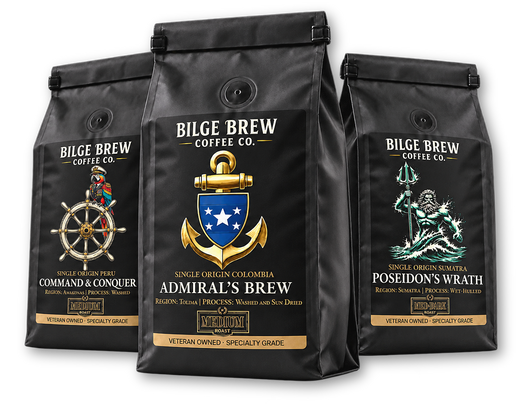
See our collection of best coffee roasts for cold brew coffee here.
Brewing cold brew coffee has gained considerable popularity for its distinct flavor profile: smooth, low in acidity, and naturally sweet. This comprehensive guide explores the nuances of crafting exceptional cold brew, differentiating it from iced coffee, and optimizing various parameters for a superior beverage.
How to Brew Cold Brew Coffee: Smooth, Strong, and Not Bitter
The process of cold brewing involves steeping coffee grounds in cold or room-temperature water for an extended period, typically 12 to 24 hours. This method extracts different chemical compounds compared to traditional hot brewing, resulting in a less acidic and smoother taste. The key to achieving a non-bitter and strong cold brew lies in careful consideration of several factors, including the quality of coffee beans, grind size, water temperature, steep time, and the coffee-to-water ratio. While seemingly simple, mastering these elements ensures a consistently excellent product.
Selecting the Right Coffee Beans
The foundation of any good coffee begins with high-quality beans. For cold brew, medium to dark roasts are often preferred as they tend to offer more robust flavors that stand up well to the long extraction process. Arabica beans are generally chosen for their complex flavor notes and lower bitterness compared to Robusta. However, some enthusiasts blend Arabica and Robusta for a bolder, higher-caffeine cold brew. Freshness is paramount; whole beans ground just before brewing will yield the most aromatic and flavorful results. Stale beans, regardless of roast or varietal, will inevitably produce a dull or flat-tasting cold brew.
Understanding Water Quality
Water constitutes over 98% of a cup of coffee; therefore, its quality significantly impacts the final taste. Filtered water, free from chlorine, sediment, and excessive minerals, is highly recommended. Hard water, rich in dissolved minerals, can hinder extraction and lead to a less flavorful cold brew, while overly soft water may result in a flat taste. Think of water as the invisible hand guiding the flavor extraction; impurities can misdirect its efficacy.
While both cold brew and iced coffee are served chilled, their fundamental preparation methods and resulting flavor profiles are distinctly different. These differences extend beyond mere temperature and delve into the very chemistry of coffee extraction.
Preparation Methods
Iced coffee is typically brewed hot, using traditional methods like drip brewing, pour-over, or French press, and then cooled down, often by pouring it over ice. This rapid cooling can sometimes "shock" the coffee, potentially dulling its flavors or causing dilution as the ice melts.
Cold brew, conversely, never encounters hot water. The coffee grounds are steeped in cold water for an extended duration. This gentle, slow extraction process prevents the dissolution of certain acidic compounds and oils that contribute to bitterness and acidity in hot-brewed coffee. It is a slow, methodical dance of extraction, rather than the rapid crescendo of hot brewing.
Flavor and Acidity Profile
The most significant distinction lies in their flavor characteristics. Iced coffee, being hot-brewed, retains the inherent acidity and often the bitterness of traditionally prepared coffee, sometimes exacerbated by dilution from melting ice. While refreshing, its flavor can be sharper and more robustly acidic.
Cold brew, due to its low-temperature extraction, is significantly less acidic, often boasting a smooth, naturally sweet, and rich flavor profile with chocolatey, nutty, or caramel notes. The absence of heat means fewer bitter compounds are extracted, making it inherently smoother and easier on the stomach for many individuals. It's like the difference between a sharp, vibrant oil painting and a soft, nuanced watercolor; both beautiful, but with distinct textures and tones.
Concentration and Versatility
Cold brew is almost always prepared as a concentrate. This highly concentrated liquid can then be diluted with water, milk, or other desired additions to achieve the preferred strength and taste. This characteristic makes cold brew incredibly versatile for various beverages, from straight-up cold brew to lattes, cocktails, and even culinary applications.
Iced coffee, on the other hand, is generally brewed to be consumed at full strength, with ice serving primarily to chill and only secondarily, and often undesirably, to dilute.
The coffee-to-water ratio is a pivotal element in determining the strength and flavor intensity of your cold brew. There isn't a single "best" ratio, as it depends on whether you aim for a concentrate or a ready-to-drink beverage. Think of the ratio as a dial controlling the intensity; a higher coffee-to-water ratio turns the dial up.
Cold Brew Concentrate Ratios
For a robust cold brew concentrate, commonly used ratios range from 1:4 to 1:8 coffee-to-water by weight. A 1:4 ratio, meaning one part coffee to four parts water, will yield a very strong, syrupy concentrate. This concentrate typically needs to be diluted significantly before consumption, often with equal parts water or milk, or even more. This is ideal for those who prefer to customize their drink daily or use it as a base for various coffee creations. A 1:6 or 1:8 ratio still produces a strong concentrate but provides a bit more flexibility in dilution. These concentrates are the workhorses of the cold brew world, providing a strong foundation for many beverage variations.
Ready-to-Drink Cold Brew Ratios
If the goal is a cold brew that is ready to drink straight out of the brewer, a higher water-to-coffee ratio is employed. Ratios such as 1:10 to 1:16 are common for this purpose. A 1:12 ratio, for instance, produces a full-flavored cold brew that can be enjoyed with minimal or no dilution. While still smooth and low in acidity, it will not be as intensely concentrated as a 1:4 preparation. This option is convenient for those who prefer immediate consumption without the extra step of dilution.
Adjusting for Taste Preferences
Ultimately, the "best" ratio is subjective and depends on individual taste. Beginners are encouraged to start with a moderately strong concentrate ratio, like 1:8, and then experiment with dilution until the desired strength and flavor are achieved. It's an iterative process, much like fine-tuning a recipe – small adjustments lead to significant changes in the final product.
Grind Size + Steep Time: The Sweet Spot
Grind size and steep time are inextricably linked in cold brewing. These two variables are the primary determinants of extraction efficiency and the ultimate flavor profile. Mismanagement of either can lead to an undesirable beverage.
The Importance of Grind Size
For cold brew, a coarse grind is universally recommended. This is coarser than French press grind, resembling breadcrumbs or coarse sea salt. The reason for this coarseness is twofold:
- Preventing Over-extraction: The extended steep time of cold brewing means that finer grounds would over-extract, releasing excessive bitter compounds and fine particulates (silt) into the brew. Coarse grounds slow down the extraction process, allowing for a more controlled diffusion of desirable flavors.
- Facilitating Filtration: Coarse grounds are easier to filter out, reducing the likelihood of a muddy or gritty final product. Finer grounds can clog filters and pass through, resulting in an unpleasant mouthfeel. Think of it as a sieve; you want particles large enough to be caught, but small enough to release their essence.
Optimal Steep Time
The ideal steep time for cold brew typically ranges from 12 to 24 hours. This range allows for sufficient extraction without venturing into over-extraction territory for a coarse grind.
- 12-16 Hours: This duration usually yields a well-balanced cold brew concentrate, often slightly milder but still flavorful. It's a good starting point for those new to cold brewing.
- 18-24 Hours: Steeping for a longer period, up to 24 hours, will result in a stronger, more concentrated brew with a deeper flavor profile. Some individuals even experiment with up to 36 hours for extremely potent concentrates, though this increases the risk of off-flavors if the grind is not coarse enough or the beans are stale.
Environmental temperature also plays a role; colder temperatures slow down extraction, potentially requiring longer steep times, while room temperature accelerates it. Maintaining a consistent temperature, ideally room temperature (68-72°F or 20-22°C), is conducive to predictable results.
Step-by-Step Cold Brew Method (Jar or Brewer)
Brewing cold brew is an accessible process that requires minimal specialized equipment. Whether one utilizes a simple jar or a dedicated cold brew system, the fundamental steps remain consistent. If you're interested in learning more about making cold brew, you can check out this Reddit thread for tips and advice from other coffee enthusiasts.
Equipment Essentials
- Container: A large glass jar (Mason jar, pitcher, or similar) with a lid, or a dedicated cold brew maker (e.g., Toddy, Hario Mizudashi).
- Coffee Grinder: A burr grinder is preferred for consistent grind size, but a blade grinder can suffice if used carefully to avoid producing too many fines.
- Filter: Cheesecloth, a fine-mesh sieve, paper coffee filters (cone or flat-bottom), nut milk bags, or the built-in filter of a cold brew maker.
- Scale: For precise measurement of coffee and water by weight.
- Stirring Utensil: A spoon or spatula.
Step-by-Step Cold Brew Process
-
Grind the Coffee: Measure your desired amount of whole coffee beans based on your chosen ratio (e.g., 100g coffee for a 1:10 ratio with 1000g water).
Grind the beans to a coarse consistency, resembling breadcrumbs. If using pre-ground coffee, ensure it is coarsely ground; finer grinds are often marketed for drip coffee and are unsuitable for cold brew.
-
Combine Coffee and Water: Place the ground coffee into your brewing container. Slowly pour the filtered cold water over the grounds.
Ensure all grounds are thoroughly saturated. This initial wetting is crucial; dry pockets of coffee will not extract properly.
-
Stir (Optional but Recommended): Gently stir the mixture to ensure all coffee grounds are fully submerged and evenly dispersed. This helps in complete saturation and uniform extraction.
Avoid vigorous stirring, which can agitate fines.
- Steep: Cover the container and let it steep at room temperature (68-72°F or 20-22°C) or in the refrigerator for 12 to 24 hours. Room temperature steeping generally results in a slightly stronger and faster extraction.
- Filter the Concentrate: After the desired steep time, strain the cold brew.
-
Jar Method: Place a fine-mesh sieve lined with cheesecloth or a paper filter over another clean jar or pitcher. Slowly pour the cold brew mixture through the filter.
Allow it to drain completely. For a clearer brew, a second filtration through a paper filter may be necessary, especially if using an initial coarse filter like cheesecloth.
- Dedicated Brewer: Follow the manufacturer's instructions for filtration, which usually involves opening a spigot or removing an internal filter.
- Store: Transfer the filtered cold brew concentrate to an airtight container and store it in the refrigerator. It typically remains fresh for up to two weeks.

How to Fix Bitter, Sour, or Weak Cold Brew
| Issue | Possible Cause | Solution |
|---|---|---|
| Bitter Taste | Over-extraction due to steeping for too long | Shorten the steeping time or use coarser grind |
| Sour Taste | Under-extraction due to steeping for too short | Lengthen the steeping time or use finer grind |
| Weak Flavor | Insufficient steeping time or too coarse grind | Lengthen the steeping time and use finer grind |
Troubleshooting cold brew issues often involves a systemic approach, examining each variable in the brewing process. Minor adjustments can significantly alter the final outcome.
Addressing Bitter Cold Brew
Bitterness in cold brew is almost always a sign of over-extraction or using water that is too hot.
- Coarsen the Grind: If your cold brew is bitter, your grind might be too fine. Finer grounds have more surface area, leading to faster extraction. Coarsen your grind in subsequent batches.
- Reduce Steep Time: If your grind is already coarse, reduce the steeping duration. For example, if you steeped for 24 hours, try 18 hours.
- Adjust Water Temperature: Ensure you are using cold or room-temperature water. Hot water will extract bitter compounds rapidly, even in cold brew methods.
- Check Bean Quality: Stale or poor-quality beans can contribute to bitterness regardless of brewing technique. Ensure your beans are fresh and of good quality.
Rectifying Sour Cold Brew
Sourness is generally indicative of under-extraction. The desirable acids haven't fully developed, or undesirable acidic compounds are being left behind.
- Lengthen Steep Time: Increase the steep time. If you steeped for 12 hours, try 16-18 hours. This allows more time for flavor development.
- Finer Grind (Slightly): While a coarse grind is ideal, if your cold brew consistently tastes sour, your grind might be too coarse, hindering extraction. Experiment with a slightly finer grind, but still coarser than drip coffee.
- Increase Water Temperature (Slightly): If brewing in a very cold environment (e.g., refrigerator), try steeping at room temperature for faster and more complete extraction.
Strengthening Weak Cold Brew
Weak cold brew can be disheartening. It often points to insufficient coffee-to-water ratio or inadequate extraction.
- Increase Coffee-to-Water Ratio: The most direct solution is to use more coffee. If you are using a 1:12 ratio, try 1:10 or 1:8 for a stronger concentrate.
- Lengthen Steep Time: Allow the cold brew to steep for a longer duration (e.g., 24 hours instead of 16).
- Optimize Grind Size: Ensure your grind is not excessively coarse. While too fine leads to bitterness, too coarse can prevent sufficient extraction, resulting in a weak brew. There's a sweet spot where grind size allows for both adequate extraction and manageable filtration.
- Ensure Proper Saturation: When combining coffee and water, ensure all grounds are thoroughly wetted. Dry pockets will not contribute to the brew’s strength. A gentle stir initially can help.
FAQs
1. What is the difference between cold brew and iced coffee?
Cold brew is made by steeping coarsely ground coffee in cold water for an extended period of time, while iced coffee is made by brewing hot coffee and then cooling it down with ice.
2. What is the best cold brew ratio for making concentrate or ready-to-drink cold brew?
The recommended cold brew ratio for concentrate is 1:4 (1 part coffee to 4 parts water), while the ratio for ready-to-drink cold brew is 1:8 (1 part coffee to 8 parts water).
3. What is the ideal grind size and steep time for cold brew coffee?
The ideal grind size for cold brew coffee is coarse, similar to the texture of breadcrumbs, and the recommended steep time is 12-24 hours at room temperature.
4. What are the steps for making cold brew coffee using a jar or brewer?
To make cold brew coffee using a jar, simply combine coffee grounds and water in a jar, let it steep, and then strain the mixture. Alternatively, a cold brew coffee maker can be used for a more convenient and consistent brewing process.
5. How can I fix bitter, sour, or weak cold brew coffee?
To fix bitter cold brew, dilute it with water or milk. To fix sour cold brew, try using a coarser grind or shorter steep time. To fix weak cold brew, adjust the coffee-to-water ratio or steep the coffee for a longer period of time.