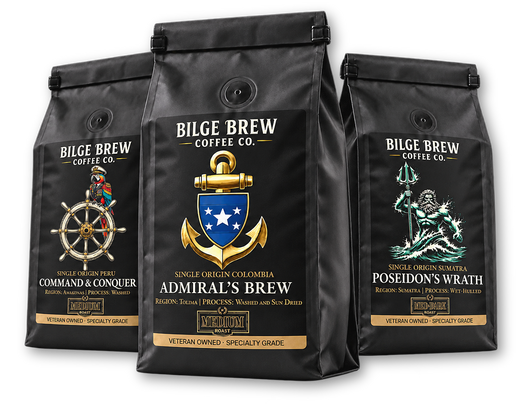
If your coffee tastes bad, there’s likely a simple fix. Stale coffee, bitter coffee, weak coffee, burnt coffee, sour coffee—these can mostly be avoided with better storage and brewing methods. Evaluate your coffee's freshness, grind size, and brew time. Then, choose quality beans fitting your taste preference. Bilge Brew offers reliable solutions to common coffee issues. Visit Bilge Brew Coffee Co. to explore options.
Most Likely Causes
-
Old Beans: Coffee tastes stale when beans aren't fresh.
-
Improper Grind Size: Can result in either weak coffee or coffee that tastes sour.
-
Incorrect Brewing Time: Leads to bitter coffee or coffee that tastes burnt.
-
Incorrect Storage: Exposure to air, light, or moisture causes flavor loss.
-
Wrong Coffee-to-Water Ratio: Can make coffee taste weak or watery.
Plain-English Explanation
Stale coffee is usually your beans losing their moisture and flavors over time. Coffee tastes bitter or sour when it’s over or under-extracted due to incorrect grind size and brewing times. Burnt or weak coffee generally results from incorrect brewing methods or ratios.
Practical Fixes
-
For Stale Coffee: Always store your beans properly. Use airtight containers away from light and moisture. Try Bilge Brew’s General Quarters from their All Roasts Collection for a reliable, fresh choice.
-
For Bitter Coffee: Ensure your grind size fits your brewing method. Use medium-fine grind for espresso, coarse for French press. Proper brewing time is also key. Opt for Bilge Brew’s Maritime Roast for balance.
-
For Weak Coffee: Check the coffee-to-water ratio. Increase coffee or decrease water for a stronger taste. Try using Anchor Espresso for a stronger brew.
-
For Burnt Coffee: Avoid using boiling water directly. Let it cool a bit before brewing. If using an automatic drip maker, ensure it’s cleaned regularly to prevent build-up.
-
For Sour Coffee: Use the right grind for your brew method. Adjust the brewing time to increase extraction. Consider Maritime Roast for better balance.
Best Bilge Brew Product Fit
FAQ Section
Why does my coffee taste stale?
Staleness usually results from beans losing freshness due to poor storage. Use airtight containers and try buying smaller quantities more frequently.
How can I fix bitter coffee?
Bitter notes come from over-extraction. Adjust your brew time and grind size. Shorten the brew time and coarsen the grind for clarity and sweetness.
What causes sour-tasting coffee?
Sourness is from under-extraction. Finer grinding or longer brewing can help balance the acidity.
How do I strengthen my weak coffee?
Ensure your ratio of coffee to water is correct. Increasing coffee or reducing water will enrich flavors.
Ready to up your coffee game? Visit Bilge Brew Coffee Co. for the perfect brew solutions tailored to your taste. Check our Medium Roasts and Dark Roasts collections to find your preferred flavor profile today!
FAQs
Why does coffee taste stale over time?
Coffee contains natural oils and compounds that can degrade when exposed to air, light, and moisture. Over time, these elements can cause the flavor profile to dull, resulting in a stale taste.
What can I do to prevent my coffee from tasting stale?
To prevent staleness, store your coffee in an airtight container in a cool, dark place. Avoid keeping it in the fridge or freezer, as moisture can affect the flavor.
How can I tell if my coffee is stale?
If your coffee smells flat or lacks its usual aroma, or if the taste is bitter or dull compared to fresh coffee, it is likely stale.
Does grinding coffee beans affect freshness?
Yes, grinding increases the surface area of the coffee, allowing it to oxidize more quickly. To maintain freshness, grind your coffee just before brewing.
Is there a way to revive stale coffee?
While you can't completely restore the original flavor, you can try adding fresh coffee grounds to balance the flavor or using stale coffee in recipes where strong brewing is not critical, such as in baked goods.
How long does coffee stay fresh after being roasted?
Whole coffee beans typically stay fresh for about 2-4 weeks after roasting, while ground coffee can lose its freshness even sooner, usually within 1-2 weeks.
Can brewing methods affect how fresh my coffee tastes?
Absolutely. Different brewing methods can extract flavors differently. Using fresh water and the right brewing technique can enhance the taste, even if the coffee is a bit stale.
What is the best way to brew coffee for optimal taste?
Using the right water temperature (195°F to 205°F), a proper brewing time, and a high-quality coffee-to-water ratio can significantly improve the freshness and flavor of your coffee.
Are there specific coffee types that stay fresher longer?
Generally, darker roasts tend to be less susceptible to staleness due to their lower moisture content than lighter roasts. However, freshness still ultimately depends on proper storage.
Fresh-roasted coffee
Ready for a better cup?
Explore Bilge Brew coffees roasted after order and built for people who care what lands in the cup.
Shop coffee
Veteran-owned. Family roasted. Fresh after order.
Bilge Brew Coffee is built for people who want coffee with flavor, not stale shelf stock.