Frustrated because your coffee tastes bad? It might be as simple as adjusting your water-to-grounds ratio. Coffee can taste bitter, weak, burnt, stale, sour, watery, or flat, but these issues often stem from incorrect measurements.
Most Likely Causes
-
Bitter Coffee: Over-extraction from too fine a grind or too long a brew time.
-
Weak Coffee: Not enough coffee or too much water.
-
Burnt Coffee: Excessive heat during brewing.
-
Stale Coffee: Coffee stored improperly.
-
Sour Coffee: Under-extraction due to coarse grind or short brew time.
Plain-English Explanation
Water-to-grounds ratio is crucial. Too much water dilutes the flavor, resulting in weak coffee. Too little water can lead to bitterness by extracting unfavorable compounds. It's simple: balance is key.
Practical Fixes
-
Bitter Coffee Fix: Use a coarser grind and shorten brew time. Try our Maritime Roast.
-
Fix Weak Coffee: Increase coffee dose or decrease water. Anchor Espresso, [Bilgewater](VERIFY LINK: Bilgewater), or [Sea Witch](VERIFY LINK: Sea Witch) can provide stronger flavors.
-
Burnt Coffee Solution: Lower your brewer’s heat setting or brew time. Consider Maritime Roast for less chance of a burnt taste.
-
Stale Coffee Fix: Use beans quickly and store in an airtight container. Choose [General Quarters](VERIFY LINK: General Quarters) for consistency.
-
Sour Coffee Remedy: Fine-tune grind size and brew longer. Both [General Quarters](VERIFY LINK: General Quarters) and Maritime Roast work well.
Best Bilge Brew Product Fit
-
Need Stronger Coffee?: Opt for [Anchor Espresso](VERIFY LINK: Anchor Espresso).
-
Bitter Coffee Problems: Maritime Roast provides a smoother solution.
Discover more about coffee styles and fixes here.
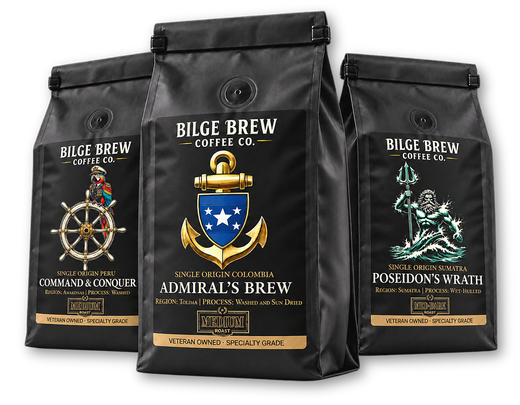
Have a specific taste preference? Try our COMMAND & CONQUER — Peru Single Origin — Medium Roast for a balanced flavor profile.
FAQ Section
Why does my coffee taste stale?
Old beans or incorrect storage. Fresh beans stored in airtight containers help.
How do I make coffee less sour?
Use a finer grind and extend brew time for improved flavor extraction.
Can water quality affect taste?
Yes, use filtered water for better results. Tap water can sometimes alter flavor.
How can I make my coffee stronger without bitterness?
Opt for darker roasts or reduce water slightly while controlling brew time.
Enjoy Better Coffee
Say goodbye to bad coffee. By tweaking your water-to-grounds ratio and considering the right Bilge Brew products, you get a satisfying cup every time. Explore our full range at Bilge Brew.
FAQs
Why does coffee taste bad even when using fresh beans?
Coffee can taste bad if the water-to-grounds ratio is off. Using too much coffee can lead to a bitter taste, while too little can make the coffee weak and sour.
What is the ideal water-to-coffee grounds ratio?
A common standard is 1:15, which means for every 1 gram of coffee, use 15 grams of water. This can vary based on personal taste preferences and brewing methods.
How can I adjust my coffee ratio for a better taste?
Start by measuring your coffee and water accurately. If your coffee tastes too strong, add more water gradually until you reach a flavor you enjoy. If it’s too weak, add more coffee grounds.
Does the type of water affect coffee taste?
Absolutely. The minerals and pH balance in water can greatly influence flavor. Always use clean, filtered water for the best results.
Can I use bottled water for making coffee?
Yes, bottled water can work well, but ensure it’s free from any added minerals or flavors that could alter the taste of your coffee.
Is it better to use hot or cold water when brewing coffee?
Hot water is best for extracting flavors from ground coffee, generally between 195°F to 205°F (90°C to 96°C). Cold water is typically used for cold brew methods, which follow a different brewing process.
How can I tell if my coffee-to-water ratio is too high or too low?
Taste is the best indicator. If you find it overly bitter, it’s likely too strong. If it tastes watery or lacks flavor, try reducing the water or increasing the coffee grounds.
Should I adjust my coffee ratio for different brewing methods?
Yes, different methods can require different ratios. For example, espresso needs a higher coffee-to-water ratio compared to drip coffee.
What if I’ve adjusted my ratio but still don’t like the taste?
If adjusting the ratio doesn’t help, consider other factors like the grind size, brewing time, and even the quality of your coffee beans, as these can also impact flavor.
Fresh-roasted coffee
Ready for a better cup?
Explore Bilge Brew coffees roasted after order and built for people who care what lands in the cup.
Shop coffee
Veteran-owned. Family roasted. Fresh after order.
Bilge Brew Coffee is built for people who want coffee with flavor, not stale shelf stock.