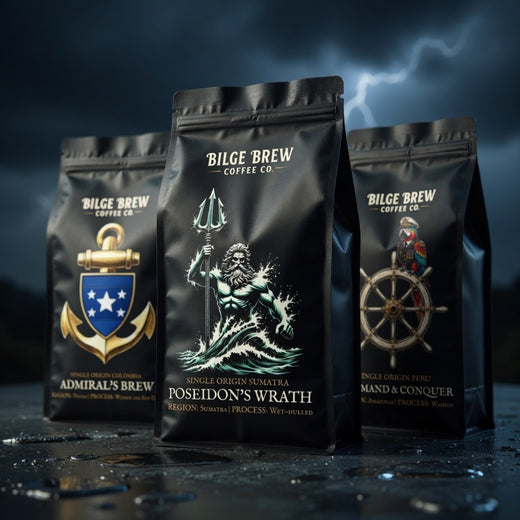
Your coffee tastes bad because it's either too strong, weak, stale, bitter, burnt, or sour. Identifying the issue is the first step to fixing it. Most problems are tied to the grind, water ratio, freshness, or brewing method. Fortunately, these issues can be resolved with a few adjustments. Here's how to make your coffee taste better.
Most Likely Causes
-
Strong or Bitter Coffee: Caused by too much coffee or over-extraction.
-
Weak Coffee: Too little coffee or under-extraction.
-
Stale Coffee: Old beans or improper storage.
-
Burnt Coffee: Brewing with water that's too hot or leaving the coffee pot on heat too long.
-
Sour Coffee: Under-extraction or grind that's too coarse.
Plain-English Explanation
Strong or Bitter Coffee tends to happen when there's too much coffee relative to water, or if the coffee brews too long. It sounds ideal, but too much strength can turn into bitterness.
Weak Coffee results from not using enough coffee or brewing too briefly, leaving your cup tasting like flavored water.
Stale Coffee occurs when your coffee beans lose their freshness. This can happen if they're not stored correctly or used weeks after roasting.
Burnt Coffee happens when brewing water is too hot or if brewed coffee sits on a heating element too long.
Sour Coffee is typically because of under-extracted coffee—that’s when water doesn't pick up enough flavors from the grounds.
Practical Fixes
- For bitter coffee: Use less coffee or reduce brew time. Maritime Roast or Bilgewater can help minimize bitterness.
- For weak coffee: Use more coffee grounds or increase brew time. Try Anchor Espresso, Bilgewater, or Sea Witch to pump up the strength.
- For stale coffee: Always choose fresh coffee like General Quarters or any option from All Roasts.
- For burnt coffee: Lower the brew temperature and never let the coffee sit on heat. Opt for Maritime Roast to balance out the flavors without over-extracting.
- For sour coffee: Adjust your grind to be finer and brew for longer. General Quarters or Maritime Roast are good choices to correct this.
Best Bilge Brew Product Fit
Choosing the right product from Bilge Brew can make all the difference in coffee quality:
Mid-Article CTA
Ready to improve your coffee experience? Discover our range and find the right fit for your taste at Bilge Brew Coffee Co..
FAQ Section
Q: What’s the best way to store coffee beans?
A: Keep them in an airtight container in a cool, dark place, away from moisture and strong odors.
Q: How do I know if my coffee is stale?
A: Stale coffee smells flat and tastes bland. Always check the roast date and aim to use within two weeks.
Q: Can the grind size really affect the taste?
A: Absolutely. Too fine a grind can make coffee over-extracted (bitter), while too coarse results in under-extraction (sour).
Q: How hot should my brewing water be?
A: Keep it between 195°F and 205°F. Too hot, and you risk burning the coffee.
Final CTA
Stop settling for bad coffee. Explore your ideal brew today with Bilge Brew Coffee Co. and experience a cup you'll love every time.
FAQs
What are the most common reasons for bad-tasting coffee?
Common reasons include poor-quality coffee beans, stale or old coffee, incorrect brewing temperature, and contaminated equipment.
How does the quality of coffee beans affect taste?
The quality of coffee beans is crucial; lower-quality beans can produce sour, bitter, or bland flavors, whereas high-quality beans tend to have more complex and enjoyable taste profiles.
Is it possible for the water used to brew coffee to affect its flavor?
Yes, the flavor of the water can greatly influence the taste of coffee. Water that is too hard or contains impurities can impart unpleasant flavors to the brew.
How can brewing temperature impact the taste of my coffee?
Brewing coffee at incorrect temperatures can result in over-extraction or under-extraction. Too hot can create bitterness, while too cool can result in a weak, lacking flavor.
Does equipment cleanliness matter for coffee taste?
Absolutely. Residue from previous brews or mineral buildup in coffee-making equipment can introduce off-flavors, so regular cleaning is essential for good tasting coffee.
What brewing methods are best for enhancing coffee flavor?
Methods such as pour-over, French press, or espresso tend to provide better control over brewing variables, allowing for a more flavorful cup compared to more automated methods.
How important is grind size for making good coffee?
Grind size is crucial; too coarse or too fine can impact extraction rates, leading to undesirable flavors. It’s essential to match grind size with the brewing method used.
Can the storage of coffee affect its flavor?
Yes, improper storage can lead to staleness and flavor loss. Coffee should be kept in an airtight container, away from light, heat, and moisture to maintain freshness.
How long does brewed coffee stay fresh?
Brewed coffee is best consumed within 30 minutes to an hour of brewing. After that, it can develop off-flavors due to oxidation and the breakdown of compounds.