Watery or Weak Espresso: Why It Happens and How to Fix It
Espresso, a concentrated coffee beverage, is renowned for its intense flavor and rich body. However, achieving this ideal often proves elusive, with many encountering issues such as watery or weak espresso. This article explores the common causes behind such deficiencies and provides practical solutions for their rectification. Understanding the interplay between various parameters, from bean quality to brewing technique, is crucial for consistently producing a high-quality espresso shot.
Understanding Strength and Extraction
It is important to differentiate between espresso strength and extraction, as these are frequently conflated. Espresso strength refers to the concentration of dissolved coffee solids in the beverage, often measured as Total Dissolved Solids (TDS). A higher TDS indicates a stronger coffee. Extraction, conversely, describes the percentage of coffee solubles removed from the coffee grounds during brewing. An ideal extraction typically falls between 18% and 22%.
Strength vs. Extraction: A Crucial Distinction
A coffee can be highly extracted but still taste weak if it is over-diluted or if the initial dose of coffee was insufficient. Conversely, a coffee can be underextracted and taste sour or astringent, even if it has a high concentration of coffee solids due to a very low yield. The goal in espresso preparation is to achieve both optimal strength and optimal extraction simultaneously. Think of it like a perfectly baked cake: it needs to be both rich in flavor (strong) and cooked through without being burnt (well-extracted). A cake with too little batter will taste weak, even if perfectly baked, and a cake that's raw in the middle will be unpleasant, regardless of the batter's richness.
Addressing "Thin Body": The Dose/Yield Ratio
One of the primary contributors to watery or thin espresso is an imbalanced dose/yield ratio. This ratio refers to the weight of dry coffee grounds used (the dose) in relation to the weight of the liquid espresso produced (the yield). A standard starting point for espresso is a 1:2 ratio, meaning for every gram of coffee, two grams of espresso are produced. For example, an 18-gram dose would yield 36 grams of espresso.
Manipulating the Dose/Yield Ratio
If your espresso consistently tastes thin, consider reducing the yield for a given dose. For instance, with an 18-gram dose, aim for a 30-gram yield instead of 36 grams. This will result in a more concentrated beverage, increasing its perceived strength and body. Alternatively, increasing the dose while maintaining the same yield will also lead to a stronger espresso. However, be mindful of the physical limitations of your basket, as an excessively high dose can lead to channeling and other extraction problems. Experimentation within a small range is key to finding the optimal balance for your specific coffee and equipment. Just as a chef adjusts seasoning to taste, you must adjust this ratio to achieve your desired espresso profile.
The Problem of Basket Size Mismatch
A surprisingly common oversight contributing to weak espresso is a mismatch between the dose of coffee used and the capacity of the portafilter basket. Portafilter baskets are designed to accommodate a specific range of coffee doses. Using too little coffee in a basket designed for a larger dose can lead to significant problems.
For more information, visit Home Barista.
Consequences of an Under-dosed Basket
When the coffee dose is too low for the basket, the puck (the compressed coffee grounds) will have an excessive amount of headspace between its surface and the shower screen of the espresso machine. This "headspace" allows for uneven water distribution and can lead to water bypassing the coffee bed entirely, rather than flowing through it uniformly. This phenomenon, known as channeling, results in underextraction and a watery, weak shot.
Imagine a garden hose with a sprinkler head designed for a wide lawn being used to water a single small plant; much of the water will go to waste. Similarly, the water in the espresso machine may not efficiently engage with the coffee.
Ensuring Proper Dosing for Your Basket
To rectify this, ensure your dose of coffee adequately fills the basket. The ideal fill level typically allows for a slight impression from the shower screen on the puck after extraction, indicating proper saturation and minimal headspace without excessive compression.
Many commercially available baskets specify a recommended dose range. Adhering to these guidelines is a good starting point. If you consistently use a smaller dose, consider purchasing a smaller capacity basket that is better suited to your preferences.
Grind and Puck Preparation Issues Causing Bypass
Beyond dose and yield, the fineness of the grind and the quality of puck preparation are paramount to achieving uniform extraction. Grind size directly influences the resistance the water encounters as it flows through the coffee bed. Improper puck preparation can create pathways of least resistance, leading to bypass.
The Impact of Grind Size
If the coffee is ground too coarse, water will rush through the coffee bed too quickly, resulting in underextraction and a weak, sour espresso. Conversely, a grind that is too fine will impede water flow, leading to over-extraction and a bitter, astringent taste. The ideal grind size for espresso is a balance that allows for a steady flow of water at the correct pressure, typically producing a shot in 25-30 seconds for a standard 1:2 ratio. Think of the coffee puck as a filter: if the holes are too big, water rushes through, washing away vital flavors. If the holes are too small, the water struggles to pass, extracting too many bitter compounds.
The Role of Puck Preparation
Even with an optimal grind, poor puck preparation can sabotage the extraction.
Uneven Distribution
If the coffee grounds are not evenly distributed in the portafilter basket before tamping, some areas will be denser than others. Water will naturally follow the path of least resistance through the less dense sections, bypassing the more compacted areas. This leads to channeling and uneven extraction. Imagine a river encountering uneven terrain; it will carve paths through the softest soil, leaving other areas dry.
Inconsistent Tamping Pressure
Tamping compacts the coffee grounds into a firm, level puck. Inconsistent tamping pressure, or tamping at an angle, can create an uneven puck density. This again leads to channeling, as water preferentially flows through the less dense sections. The tamper's job is to create a uniform, flat surface, like pressing concrete evenly to avoid cracks.
Edge Channeling
This specific form of channeling occurs when water flows preferentially along the edges of the coffee puck, often due to improper tamping technique or an uneven tamp. To prevent this, ensure your tamper fits snugly into the basket and apply even, consistent pressure across the entire surface of the puck. Some baristas utilize distribution tools to ensure level grounds before tamping, further minimizing the risk of channeling.
The Culprit: Stale Beans
While all the aforementioned factors relate to technique and equipment, the quality of the coffee itself is a foundational element. Even with the most meticulous preparation, stale beans will invariably produce a lackluster espresso.
The Degradation of Coffee Beans
Coffee beans, like any organic product, degrade over time. After roasting, coffee begins to off-gas carbon dioxide and aromatics, a process that continues for several weeks. Freshly roasted coffee contains a higher concentration of volatile oils and gases, which contribute significantly to the crema, aroma, and flavor of the espresso. As beans age, these volatile compounds dissipate, leaving a flat, dull, and often watery-tasting espresso. Think of fresh bread versus stale bread; the former is vibrant and flavorful, while the latter is dry and unappealing.
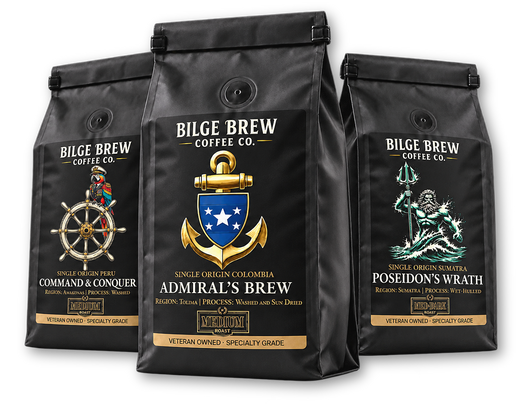
If you care about quality espresso, sourced ethically...find out why i started Bilge Brew Coffee Co.
Identifying Stale Beans
One of the most immediate indicators of stale beans is a lack of robust crema formation during extraction. While crema is not a definitive indicator of quality, a thin, gassy, or rapidly dissipating crema often suggests aged beans. Furthermore, the aroma of stale beans will be noticeably less vibrant, lacking the complex notes present in fresh coffee. The brewing process itself may also seem "off," with water flowing too quickly through the puck, even with a fine grind, due to the diminished off-gassing and reduced resistance.
The Solution: Freshly Roasted Coffee
The simple solution to stale beans is to use freshly roasted coffee. Aim to purchase beans that were roasted within the past two to three weeks and ideally consumed within a month of their roast date. Proper storage in an airtight container, away from light, heat, and moisture, can help extend their freshness, but it cannot reverse the aging process. Investing in high-quality, freshly roasted beans is arguably the most impactful step you can take towards consistently producing excellent espresso. Without a fresh canvas, even the most skilled artist cannot create a masterpiece.
By diligently addressing these potential issues—understanding the difference between strength and extraction, meticulously managing the dose/yield ratio, ensuring proper basket sizing, refining grind and puck preparation, and prioritizing fresh, high-quality beans—you can significantly improve the quality of your espresso and consistently achieve that coveted rich, full-bodied shot.
FAQs
1. What causes watery or weak espresso?
Watery or weak espresso can be caused by a variety of factors including improper extraction, a mismatch between the dose and the basket size, grind and puck prep issues, and the use of stale beans.
2. What is the difference between strength and extraction in espresso?
Strength refers to the concentration of coffee in the cup, while extraction refers to the process of extracting flavors and compounds from the coffee grounds. It is possible to have a strong but poorly extracted espresso, or a weak but well-extracted espresso.
3. How can I fix a "thin body" in my espresso?
The first step in fixing a "thin body" in espresso is to adjust the dose/yield ratio. This may involve increasing the dose of coffee or adjusting the yield of the espresso shot.
4. What should I do if my basket size is mismatched with the dose of coffee?
If the dose of coffee is too low for the basket size, it can result in weak espresso. To fix this issue, it is important to ensure that the dose of coffee matches the size of the basket being used.
5. How can grind and puck prep issues cause bypass in espresso?
Grind and puck prep issues, such as an uneven or inconsistent grind, can lead to bypass in espresso. This occurs when water finds the path of least resistance through the puck, resulting in under-extracted and weak espresso.
Nothing beats a strong cup of coffee for early mornings. For those who value more than just a caffeine jolt, a veteran owned coffee brand is worth a look. Enter Bilge Brew Coffee Co. — a Navy-themed delight crafted by those who know what it's like to burn the midnight oil.
Table of Contents
Best Coffee for Early Mornings
Starting your day with the right bean is crucial. If you're up before the sun, consider our SEA WITCH — French Dark Roast. It's bold, rich, and perfect for an eye-opening espresso. French dark roast coffee isn't just for aesthetics; it's a tried-and-tested friend for those needing a strong start.
Best Coffee for Night Shift Workers
Stalking through the night shift? We get it. The best coffee for night shift workers is roasted to order and packs energy into every cup. Bilge Brew’s ALL HANDS — Blonde Espresso Light Roast provides a lighter roast that tastes great and energizes when the clock strikes midnight.
How to Brew Espresso at Home
Brewing espresso at home doesn't need to be rocket science. Have you got a Moka pot? Excellent choice! It’s perfect for crafting deep shots without complicated gadgets. Pair your Moka pot espresso with our best espresso beans for a brilliant start — trust me.
Espresso Troubleshooting
Struggling with your espresso? Too sour or too bitter might mean you're grinding your beans too coarse or too fine. Our all roasts collection offers versatility that works with different brewing techniques. Tweak and find the grind that aligns with your taste.
Best Dark Roast for Espresso
When pondering over the best dark roast for espresso, look no further than French dark roast coffee. It's not just robust; it's a deep dive into flavor. Bilge Brew’s SEA WITCH is made for espresso lovers looking for intensity.
Best Coffee for Nurses and Firefighters
Nurses and firefighters need fuel for those grueling shifts. There's no one-size-fits-all answer, but small batch specialty coffee online is a good bet. Our MESS DECKS — Mexico Single Origin is great for those in service roles who deserve nothing but quality in their cup.
Single Origin vs Blend
Whether you opt for single-origin or blend depends on your preference. Single origins provide a clearer profile from a specific farm or region, like our DRUNKEN SAILOR — Guatemala Single Origin. Blends offer complexity, balancing flavors for a unique experience.
Feeling inspired to try something bold? Check our Single-Serve Cups (K-Cup® Compatible) for convenience and quality in every cup.
Grab your gear and get brewing! There's no better time to taste what a veteran owned coffee brand has to offer. Visit Bilge Brew Coffee Co. today to explore your next favorite roast.
Stay Sharp
Exclusive discountsNew Roasts. Better Coffee. First in Your Inbox.
Exclusive discounts, new drops, early access, and coffee worth knowing about. No spam. No drama.
⚓ You're in. First to know, first to brew.
No drama. Unsubscribe any time.