Espresso Ratios: 1:1 Ristretto vs 1:2 vs 1:3 (When to Use Each)
The art and science of espresso are deeply rooted in precision, and among the most critical variables is the brew ratio. This ratio dictates the relationship between the dry coffee grounds used (the dose) and the liquid espresso produced (the yield). Understanding these ratios is akin to a chef understanding the balance of salt, acid, and fat in a dish; a slight adjustment can transform the final product. The most commonly discussed ratios revolve around the spectrum from 1:1 (ristretto) to 1:3 and beyond, each offering a unique flavor profile and suitability for different applications.
The Foundation: Defining Espresso Brew Ratios
At its core, the brew ratio for espresso is expressed as a relationship between the mass of coffee grounds and the mass of the liquid espresso extracted. This is typically written as Dose : Yield. For instance, a 1:2 ratio signifies that for every gram of coffee grounds used, two grams of liquid espresso will be extracted. Coffee is measured in grams, and the general rule of thumb is that 1 milliliter of water weighs approximately 1 gram. Therefore, measuring the yield in grams provides a precise understanding of the extraction.
1:1 Ristretto: The Concentrated Jewel
A 1:1 ristretto is the epitome of espresso concentration. It is a short, intense shot where the extraction is stopped prematurely, yielding a volume of liquid espresso equal in weight to the dry coffee dose.
-
Dose: For example, 18 grams of coffee grounds.
-
Yield: Consequently, 18 grams of liquid espresso.
This results in a tiny shot, often no more than 18-20 milliliters in volume, brimming with a potent flavor. The extraction process is halted when the leading edge of the flavor profile is at its peak, before the bitter compounds begin to dominate. Think of it as capturing the very essence of the coffee bean just as it releases its most vibrant notes.
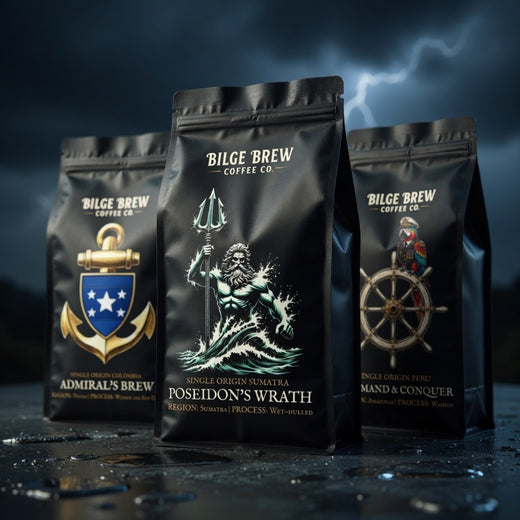
For shorter, more concentrated shots like this, coffees with deeper body perform better. If you're experimenting with ristretto pulls, a heavier profile like POSEIDON’S WRATH — Sumatra Single Origin will hold up under that intensity.
1:2 Ratio: The Balanced Standard
The 1:2 ratio is arguably the most widely adopted standard for espresso preparation in many specialty coffee shops. It strikes a balance between concentration and extraction, producing a well-rounded shot that can be enjoyed on its own or serve as an excellent base for milk-based beverages.
-
Dose: Using the same example, 18 grams of coffee grounds.
-
Yield: This would result in 36 grams of liquid espresso (18 grams x 2).
This yield translates to approximately 35-40 milliliters of espresso, offering a more substantial drink than a ristretto. The extraction is allowed to proceed further, capturing a broader spectrum of the coffee's soluble compounds, including some of the sweetness and body that a ristretto might bypass.
If you're dialing in a 1:2 shot, the bean matters more than the ratio. A balanced espresso starts with coffee built for it. Our ANCHOR ESPRESSO — Dark Roast is built for this style of extraction, giving you a reliable, balanced shot whether you drink espresso straight or use it as the base for milk drinks.
1:3 Ratio: The Elongated Note
A 1:3 ratio signifies a longer extraction, producing a more diluted espresso. This is sometimes referred to as a "lungo," though the term "lungo" can be imprecise and sometimes implies using more water during the brewing process rather than simply extending the yield based on the initial dose.
-
Dose: Sticking with our 18-gram dose.
-
Yield: This would lead to 54 grams of liquid espresso (18 grams x 3).
The resulting espresso, around 50-60 milliliters, will have a lighter body and a less intense flavor profile. The longer contact time between water and coffee grounds extracts a wider range of compounds, including some that contribute to bitterness and astringency. It’s like letting a symphony play out to its final movements; you hear more of the composition, but the initial powerful crescendos may be less distinct.
Longer ratios expose more of the coffee’s character, which means lower-quality beans fall apart fast. If you're running lungo-style shots, cleaner profiles like SIGNATURE ROAST — Peru Single Origin tend to stay balanced even at higher yields.
The Symphony of Flavor: How Ratio Alters Taste
The impact of brew ratio on flavor is profound, acting as a conductor orchestrating the coffee's inherent qualities. Each ratio taps into different soluble compounds within the coffee grounds, leading to distinct sensory experiences.
Ristretto (1:1): The Acrobatic Leap
The 1:1 ristretto is characterized by its intense sweetness, syrupy body, and a bright, often fruit-forward acidity. Because the extraction is cut short, the more easily soluble sugars and acids are the primary elements extracted. This results in a shot that is incredibly flavorful and concentrated, with a bold presence on the palate. Bitterness, which typically emerges later in the extraction, is largely absent. It's like tasting a single, perfectly ripened berry, bursting with concentrated flavor. However, the limited extraction means that some of the more complex, nuanced flavors that develop later in the pull might be missed.
The 1:2 Ratio: The Harmonious Chord
The 1:2 ratio offers a more balanced and complex flavor profile. It retains much of the sweetness and acidity of a ristretto but also begins to introduce more body and a subtle, pleasant bitterness. This balance makes it incredibly versatile. The extraction has proceeded far enough to bring out a fuller range of soluble compounds, creating a more rounded and satisfying experience. Think of it as a well-composed piece of music where all the instrumental sections complement each other perfectly. The harmonious interplay of sweet, sour, and bitter notes creates a cohesive and enjoyable shot, whether consumed neat or with milk.
For most home espresso drinkers, this is the ratio that makes the most sense to master first. If you want one coffee to start with while dialing in your setup, ANCHOR ESPRESSO is the most natural place to begin.
The 1:3 Ratio: The Lingering Echo
At a 1:3 ratio, the flavor becomes more subdued and delicate, with a thinner body and a more prominent, albeit potentially less pleasant, bitterness. The extended extraction dissolves more of the less soluble compounds, including tannins and other compounds that can contribute to astringency and a drying sensation. While this can mute the brighter notes and sweetness, some coffee enthusiasts appreciate the lighter texture and the subtle, lingering finish. It's akin to hearing the final, fading notes of a melody; the impact is gentler, and the overall impression is one of delicate dissipation.
The Stage for Milk: Best Ratios for Different Preparations
The intended enjoyment of an espresso shot, whether neat or as part of a milk-based beverage, significantly influences the optimal brew ratio. Learn more about espresso brew ratios here.
If you're pulling shots mainly for cappuccinos, lattes, or flat whites, a 1:2 ratio is usually the best place to start. It gives you enough intensity to cut through milk without turning harsh, which is exactly why coffees like ANCHOR ESPRESSO — Dark Roast work so well for daily espresso use.
The Roast's Influence: A Dance with Ratio
The roast level of the coffee bean plays a significant role in how brew ratios affect the final taste. Roasting transforms the chemical compounds within the coffee bean, influencing its solubility and flavor characteristics.
Light Roasts: Embracing Acidity and Nuance
Light roasts are characterized by their bright acidity, delicate floral and fruit notes, and a less developed body. These coffees have a greater proportion of easily soluble acids and delicate aromatics.
-
1:1 Ristretto: This ratio can be excellent for light roasts, particularly for highlighting their vibrant acidity and fruity notes. The concentrated extraction captures the bright, zesty flavors before any bitterness can emerge. It’s like enjoying a perfectly ripe citrus fruit, its zest and juice at their peak.
-
1:2 Ratio: This ratio also works well, offering a more balanced representation of the light roast. The acidity is still present but is complemented by developing sweetness and body. It allows for a more nuanced exploration of the coffee’s inherent complexities.
-
1:3 Ratio: Longer extractions can sometimes lead to over-extraction of the delicate compounds in light roasts, resulting in an overly tart or even sour taste, as the subtle sweetness is overpowered by bitterness.
Medium Roasts: The Versatile Middle Ground
Medium roasts offer a balance of acidity, sweetness, and body, with developing caramel and nutty notes. They are generally more forgiving with brew ratios.
-
1:1 Ristretto: Can be used to emphasize sweetness and body, but care must be taken not to extract too much, which can lead to a slightly harsh finish.
-
1:2 Ratio: This is often the golden mean for medium roasts, providing a full and well-rounded flavor profile that showcases the bean's sweetness, balanced acidity, and pleasant bitterness. It’s the reliable workhorse, performing exceptionally well in most situations.
-
1:3 Ratio: This ratio can effectively bring out the caramel and nutty notes of a medium roast, but it’s important to avoid over-extraction, which can introduce excessive bitterness.
Dark Roasts: Taming the Intensity
Dark roasts are characterized by their bold, roasty flavors, lower acidity, and often a heavier body. The roasting process has broken down more soluble compounds, making them more prone to bitterness.
-
1:1 Ristretto: A ristretto with a dark roast can be intensely bitter and unbalanced if not carefully managed. The concentrated extraction of bitterness can be overwhelming. Think of a very strong, dark chocolate that is almost too bitter to enjoy on its own.
-
1:2 Ratio: This ratio can be effective, but it’s crucial to avoid over-extraction, which can exacerbate bitterness. The goal is to extract enough sweetness and body to balance the inherent roasty notes. For a straightforward option here, ANCHOR ESPRESSO is the obvious fit.
-
1:3 Ratio: This ratio can be beneficial for dark roasts, as it allows for a longer extraction that can help to mellow out some of the harsher roasty flavors and introduce a richer, more chocolatey character. The increased water can act as a solvent, breaking down the more intense soluble compounds and providing a smoother finish. However, even with a 1:3 ratio, careful attention to grind size and water temperature is paramount to prevent a thin and excessively bitter shot.
Espresso Ratio Quick Reference

This table provides a concise overview of common espresso brew ratios, their general characteristics, and typical applications. It is a starting point for experimentation, and individual preferences and equipment will influence the ideal settings.
| Ratio | Dose (g) | Yield (g) | Approximate Volume (ml) | Flavor Profile | Best Use Cases | Roast Level Affinity |
| :- | :- | :-- | :- | : | :- | :- |
| 1:1 | 18 | 18 | 18-20 | Intense sweetness, bright acidity, syrupy body | Straight shot (for intensity), very sweet milk drinks | Light to Medium |
| 1:2 | 18 | 36 | 35-40 | Balanced sweetness, acidity, and bitterness, good body | Straight shot, most milk-based drinks | All roasts |
| 1:3 | 18 | 54 | 50-60 | Subdued flavor, thinner body, more prominent bitterness | Diluted espresso, some specific milk drinks (less common) | Medium to Dark |
Ultimately, the "best" espresso ratio is a subjective matter. Experimentation lies at the heart of mastering espresso. By understanding the principles behind these ratios, you can begin to fine-tune your brewing process, unlocking the full potential of your coffee beans and creating a beverage that perfectly suits your palate. The journey through espresso ratios is a continuous exploration, a quest to find that perfect balance between flavor, concentration, and personal preference.
Most people think they need to fix their ratio first. In reality, they are often compensating for coffee that is stale, weak, or simply not built for espresso in the first place. Starting with fresh roasted espresso beans like ANCHOR ESPRESSO makes dialing in dramatically easier.
Brewing coffee is an art, but it's also a science. Find out why your brew routine might be hurting your cup's taste and quality.
FAQs
What are the definitions of 1:1 Ristretto, 1:2, and 1:3 espresso ratios with examples of dose and yield numbers?
1:1 Ristretto refers to a 1:1 ratio of coffee dose to espresso yield. For example, using 20 grams of coffee to yield 20 grams of espresso. 1:2 refers to a 1:2 ratio, such as using 20 grams of coffee to yield 40 grams of espresso. 1:3 refers to a 1:3 ratio, for instance, using 20 grams of coffee to yield 60 grams of espresso.
How do flavor changes across different espresso ratios?
The flavor of espresso changes across different ratios. A 1:1 Ristretto tends to be more intense and concentrated, with a syrupy body and strong flavor. A 1:2 espresso is balanced, with a mix of acidity, sweetness, and bitterness. A 1:3 espresso is lighter and more diluted, with brighter acidity and a milder flavor profile.
What is the best ratio range for milk drinks versus straight espresso shots?
For milk drinks like lattes and cappuccinos, a 1:2 ratio is commonly preferred as it provides a balanced flavor that complements the milk. For straight espresso shots, the best ratio can vary based on personal preference, but a 1:1 Ristretto or 1:2 ratio is often favored for a more intense or balanced flavor. If you want one coffee that works especially well at that 1:2 sweet spot, ANCHOR ESPRESSO is the one to start with.
How does the espresso ratio interact with roast level?
The espresso ratio interacts with the roast level of the coffee beans. A 1:1 Ristretto can highlight the nuanced flavors of a light roast, while a 1:3 ratio can mellow out the intensity of a dark roast. Experimenting with different ratios can help accentuate or balance the flavors of different roast levels.
Is there a table available for users to screenshot that compares 1:1 Ristretto, 1:2, and 1:3 espresso ratios?
Yes, a table comparing 1:1 Ristretto, 1:2, and 1:3 espresso ratios is available for users to screenshot. The table provides a visual reference for the dose and yield numbers of each ratio, making it easier for coffee enthusiasts to understand and experiment with different espresso ratios.
Nothing beats a strong cup of coffee for early mornings. For those who value more than just a caffeine jolt, a veteran owned coffee brand is worth a look. Enter Bilge Brew Coffee Co., a Navy-themed coffee company built for people who take their mornings seriously.
Starting your day with the right bean is crucial. If you're up before the sun and want an espresso with more punch, ANCHOR ESPRESSO is the strongest fit here. It is bold, rich, and built for drinkers who want a more traditional dark espresso profile.
Working through the night takes more than convenience-store coffee. The best coffee for night shift workers should taste good black, hold up under repeat brewing, and actually feel worth looking forward to. If you prefer espresso-based drinks, ANCHOR ESPRESSO is the clear place to start. If you want a lighter espresso profile, ALL HANDS — Blonde Espresso Light Roast is a solid alternative.
Brewing espresso at home does not need to be complicated. Whether you're using a home machine or experimenting with a Moka pot, the easiest way to get started is with coffee that was actually chosen for espresso. If you want a straightforward option, start with ANCHOR ESPRESSO.
If your espresso is too sour, too bitter, or just feels hollow, the ratio may not be the only problem. Grind size matters, but so does the coffee itself. Starting with fresh roasted espresso beans makes it much easier to troubleshoot your setup without guessing your way through bad shots.
When you're looking for the best dark roast for espresso, the answer should be obvious and not buried under ten weak options. ANCHOR ESPRESSO — Dark Roast is the direct fit if you want a bolder, more traditional espresso experience with enough body to stand on its own or cut through milk.
Nurses, firefighters, and anyone else running on long shifts need coffee that actually earns its place in the routine. There is no one-size-fits-all answer, but small-batch specialty coffee online is a much better bet than grabbing whatever is cheapest. For espresso drinkers, start with ANCHOR ESPRESSO. For drip or single-origin drinkers, MESS DECKS — Mexico Single Origin is another strong option.
Whether you choose a single origin or a blend depends on what you want from the cup. Single origins can show off a more specific regional profile, while blends are often built for consistency and balance. If your goal is espresso, a purpose-built option like ANCHOR ESPRESSO makes more sense than forcing the wrong coffee into the job. If you want to explore single-origin options, DRUNKEN SAILOR — Guatemala Whiskey Barrel Aged offers a different direction entirely.
If you care enough to adjust grind size, timing, and ratio, you should care what coffee you are starting with. Shop ANCHOR ESPRESSO here.