Channeling in Espresso: Signs, Causes, and the Fastest Fixes
Channeling in espresso extraction represents a significant obstacle to achieving optimal flavor and consistency. It refers to the preferential flow of water through isolated pathways within the coffee puck, rather than a uniform saturation. This phenomenon leads to both over-extraction in the channeled areas and under-extraction elsewhere, resulting in a cup characterized by bitterness, sourness, astringency, and a thin body. Understanding the signs, causes, and effective solutions is paramount for any espresso enthusiast or professional barista.
Recognizing the Visual Cues of Channeling
Identifying channeling often begins with visual observation during the espresso shot. While a perfectly uniform extraction is a noble aspiration, discerning the various manifestations of channeling is the first step toward remediation.
The Tell-Tale Streams and Splatters
One of the most immediate indicators of channeling is the erratic and uneven flow of espresso from the portafilter spouts. Instead of a consistent, unbroken stream—often described as a 'mouse tail' or a 'warm honey' consistency—channeling can manifest in several ways. One might observe multiple distinct streams emerging at different rates and thicknesses, some gushing rapidly while others barely trickle. These streams may also exhibit varying colors, indicating different levels of extraction. In severe cases, the espresso may spurt or spray erratically, hitting the sides of the cup or even missing it entirely. This phenomenon, often dubbed "gushing" or "spritzing," is a clear sign that water has found an unimpeded path through the coffee bed.
Surface Discrepancies on the Puck
After extraction, examining the spent coffee puck provides further evidence of channeling. A healthy puck should appear relatively uniform in color and texture, with a cohesive structure. Conversely, a channeled puck will often display distinct depressions, cracks, or holes on its surface. These indentations mark the precise locations where water preferentially flowed. The puck might also show lighter or darker patches, indicating areas of under- or over-extraction, respectively. Sometimes, the puck may even break apart easily or exhibit an unusually wet, swampy consistency, suggesting pockets of inadequate compaction that contributed to channeling.
Crema Irregularities
The crema, the reddish-brown foam that crowns a well-pulled espresso, can also offer clues. While a vibrant, persistent crema is generally desirable, channeling can lead to a thin, sparse, or rapidly dissipating crema. The crema may also appear uneven in color, with lighter patches indicating under-extraction and darker, mottled areas suggesting localized over-extraction. In severe cases, the crema might be entirely absent or break apart immediately upon pouring, leaving a distinctly unappetizing appearance.
Unraveling the Primary Causes of Channeling
Channeling is rarely attributable to a single factor. Instead, it typically arises from a confluence of issues related to coffee preparation or equipment. Addressing these root causes systematically is crucial for consistent improvement.
The Peril of Coffee Clumps
One of the most prevalent causes of channeling is the presence of coffee clumps in the portafilter basket. When coffee beans are ground, static electricity or moisture can cause fine particles to agglomerate into small balls or larger chunks. These clumps, when left undisturbed, create uneven density within the coffee bed. When water encounters these denser clumps, it is forced to bypass them, seeking paths of least resistance through the surrounding, less dense coffee. This preferential flow directly leads to channeling. The finer the grind and the fresher the coffee, the more susceptible it is to clumping.
Inconsistent Distribution: A Foundation of Trouble
Uneven distribution of ground coffee within the portafilter basket is another major contributor to channeling. If the coffee grounds are not spread uniformly, some areas will have a higher density of coffee than others. Similarly to clumps, these density variations guide the water away from denser regions and towards the looser, less resistant areas. Common distribution errors include heaping coffee in the center, leaving gaps near the edges, or an irregular surface. This inconsistency creates a "highway" for water, circumventing large sections of the coffee bed and leading to a significant imbalance in extraction.
The Consequences of a Crooked Tamp
Tamping, the act of compressing the coffee grounds, aims to create a uniform and resistant puck. However, a crooked or uneven tamp can severely undermine this objective. If the tamper is not applied perfectly level, one side of the coffee puck will be compressed more tightly than the other. This creates an uneven density profile, with water again choosing the path of least resistance through the less compacted section. A crooked tamp can be subtle, sometimes only a degree or two off horizontal, but even minor deviations can have a profound impact on extraction quality, leading to distinct channels along the less-tamped side.
The Role of a Damaged or Dirty Basket
While less common than preparation errors, issues with the portafilter basket itself can also instigate channeling. A damaged basket, perhaps with bent walls or a misshapen base, can prevent uniform coffee distribution and even compaction. Similarly, a basket with clogged holes, especially common in pressurized baskets or those not cleaned regularly, can create localized resistance to water flow. This forces water to find alternative, unimpeded channels through other parts of the puck, resulting in uneven extraction. Inspecting the basket for deformities and ensuring its cleanliness is a straightforward preventive measure.
Implementing Rapid Remedial Techniques
Addressing channeling often requires a multi-pronged approach, focusing on improving preparation technique. Fortunately, many effective solutions can be implemented quickly and become standard practice. For more comprehensive information on how to fix channeling in espresso extraction, you can visit this link.
WDT Basics: Dispersing the Clumps
The Weiss Distribution Technique, or WDT, is a simple yet highly effective method for combating clumps and improving distribution.
It involves using a fine needle, probe, or thin wire to stir and break up clumps within the portafilter basket before tamping. The goal is to evenly distribute the coffee grounds and eliminate pockets of varying density. By gently raking through the grounds in a circular or figure-eight motion, WDT creates a more homogenous coffee bed.
Think of it as raking leaves in a garden; the goal is to create an even layer, not leave piles. This single technique can dramatically reduce channeling caused by clumping and uneven distribution.
The Art of the Consistent Tamp
A consistent and level tamp is fundamental to preventing channeling. The primary objective is to create a uniformly dense and flat coffee puck.
This requires applying even pressure across the entire surface of the grounds, ensuring the tamper head remains perfectly parallel to the rim of the portafilter basket. Many baristas use a two-finger grip on the tamper to feel for levelness or rely on self-leveling tampers. The pressure applied should be firm but not excessive, as consistent pressure is more important than sheer force.
Imagine building a sandcastle; an uneven foundation will lead to collapse. Similarly, an uneven tamp compromises the puck's integrity. Practicing with a level gauge or against a straight edge can help develop the muscle memory for a consistently level tamp.
Cultivating a Level Coffee Bed
Prior to tamping, ensuring the coffee grounds are level within the basket is crucial.
After grinding and potentially using WDT, the coffee grounds may form a slight mound. Gently tapping the portafilter on the counter or using a distribution tool can help settle and level the grounds. The aim is to achieve a flat, even surface before the tamper even touches the coffee.
This creates a uniform starting point for the tamp, making it easier to achieve an evenly dense puck. This step is akin to smoothing out a canvas before painting; it provides a consistent surface for the subsequent actions.
Understanding Grinder Limitations and Channeling
| Grinder Limitations and Channeling |
Metrics |
| Grinder Size |
50mm, 58mm, 64mm |
| Channeling Rate |
3-5% |
| Extraction Time |
25-30 seconds |
| Grinder Maintenance |
Regular cleaning and burr replacement |
While preparation techniques are vital, there are instances where channeling persists due to inherent limitations in the grinder itself. This understanding prevents endless chasing of perfection through puck preparation when the root cause lies elsewhere.
The Fineness and Consistency Conundrum
Grinders vary significantly in their ability to produce a uniform grind size. Entry-level or even some mid-range grinders may produce a significant amount of "fines" (very small particles) alongside larger particles. These fines can migrate and block pathways, creating localized resistance, while coarser particles allow water to pass more freely, leading to channeling. Such grinders may struggle to produce a sufficiently fine and consistent grind necessary for proper espresso extraction, irrespective of excellent puck preparation. Attempting to compensate with excessive tamping or an extremely fine grind setting can exacerbate channeling or lead to chokes and sour shots.
Conical vs. Flat Burrs and Grind Quality
The type of burrs—conical or flat—can influence grind consistency. High-quality flat burr grinders are often lauded for their exceptional grind uniformity, producing fewer fines and creating a more homogeneous particle size distribution. Conical burrs, while offering other advantages (like lower retention), can sometimes produce a slightly wider particle distribution spectrum, potentially contributing to channeling. If, despite meticulous preparation, channeling remains a persistent issue, and the grinder is known for producing inconsistent grinds or a high proportion of fines, it may indicate a grinder limitation as the primary bottleneck.
Evaluating Progress Without Chasing Perfection
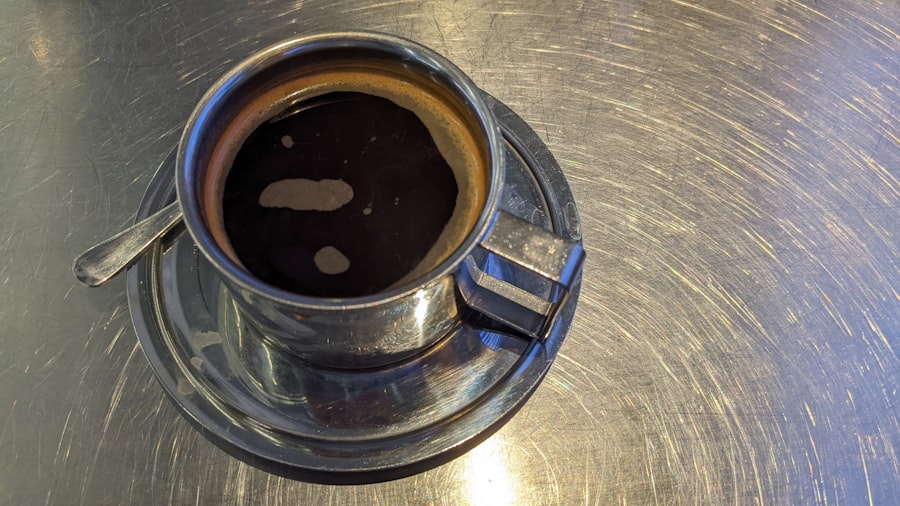
The pursuit of the perfect espresso shot can be an endless and sometimes frustrating journey. While striving for excellence is admirable, it is equally important to establish realistic expectations and avoid becoming overly obsessed with minute imperfections.
Focusing on Taste, Not Just Visuals
Ultimately, the goal of espresso preparation is to produce a delicious beverage. While visual cues like channeling are important diagnostic tools, the ultimate arbiter of success is the taste in the cup. A shot that shows minor signs of channeling but tastes balanced and flavorful may be preferable to a visually perfect shot that is somehow off-balance. Train your palate to identify the common characteristics of over- and under-extraction, and use taste as the primary feedback mechanism. If the coffee is bitter, astringent, or sour, then addressing channeling is likely a worthy endeavor. If it tastes great, perhaps a degree of imperfection is acceptable.
Iterative Improvement and Realistic Goals
Espresso preparation is an iterative process. Make one change at a time, such as incorporating WDT, then evaluate the results. Observe the shot, taste the coffee, and note any improvements or new issues. It's like navigating a ship; small course corrections are more effective than drastic, sudden turns. Aim for consistent improvement rather than instantaneous perfection. Recognize that ambient conditions (humidity, bean age) can also influence extraction, and some variability is natural. The journey of improving espresso technique is an ongoing education, and every shot, even a less-than-perfect one, offers an opportunity for learning.
If you care about quality espresso, sourced ethically...find out why i started Bilge Brew Coffee Co.
FAQs
What does channeling look like in espresso?
Channeling in espresso appears as a tunnel-like hole in the coffee puck after extraction. This can result in uneven extraction and a sour or bitter taste in the espresso. Photos can be found in the article for visual reference.
What are the top causes of channeling in espresso?
The top causes of channeling in espresso include clumps in the coffee grounds, uneven distribution of the grounds in the portafilter, a crooked tamp, and a damaged basket in the espresso machine.
What are some fast fixes for channeling in espresso?
Fast fixes for channeling in espresso include using the WDT (Weiss Distribution Technique) to break up clumps in the coffee grounds, consistently tamping the grounds, and ensuring a level bed of coffee in the portafilter before extraction.
When is channeling actually a result of grinder limitation?
Channeling in espresso can also be a result of the limitations of the grinder. If the grinder is unable to produce a consistent grind size, it can lead to channeling during extraction.
How can one evaluate improvements in channeling without chasing perfection?
One can evaluate improvements in channeling by focusing on the overall taste and quality of the espresso, rather than chasing perfection. Making small adjustments and noting the changes in flavor can help in evaluating improvements in channeling.
Nothing beats a strong cup of coffee for early mornings. For those who value more than just a caffeine jolt, a veteran owned coffee brand is worth a look. Enter Bilge Brew Coffee Co. — a Navy-themed delight crafted by those who know what it's like to burn the midnight oil.
Starting your day with the right bean is crucial. If you're up before the sun, consider our SEA WITCH — French Dark Roast. It's bold, rich, and perfect for an eye-opening espresso. French dark roast coffee isn't just for aesthetics; it's a tried-and-tested friend for those needing a strong start.
Brewing espresso at home doesn't need to be rocket science. Have you got a Moka pot? Excellent choice! It’s perfect for crafting deep shots without complicated gadgets. Pair your Moka pot espresso with our best espresso beans for a brilliant start — trust me.
Struggling with your espresso? Too sour or too bitter might mean you're grinding your beans too coarse or too fine. Our all roasts collection offers versatility that works with different brewing techniques. Tweak and find the grind that aligns with your taste.
Nurses and firefighters need fuel for those grueling shifts. There's no one-size-fits-all answer, but small batch specialty coffee online is a good bet. Our MESS DECKS — Mexico Single Origin is great for those in service roles who deserve nothing but quality in their cup.
Whether you opt for single-origin or blend depends on your preference. Single origins provide a clearer profile from a specific farm or region, like our DRUNKEN SAILOR — Guatemala Single Origin. Blends offer complexity, balancing flavors for a unique experience.