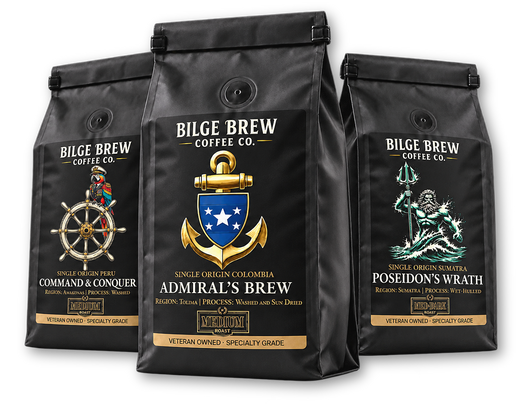
Coffee that tastes bad is a common kitchen culprit. Often, the grind size is the main suspect when your morning brew disappoints. Too coarse, and you get weak, watery coffee. Too fine, and your coffee tastes bitter or sour. Let’s dive into the most likely causes and practical fixes to make your coffee taste better.
Most Likely Causes
-
Incorrect Grind Size
-
Stale Coffee
-
Over-extraction or Under-extraction
Plain-English Explanation
-
Weak Coffee: Large grind size means water flows too quickly, missing flavor. Result? Weak, flat coffee.
-
Bitter Coffee: Fine grind leads to over-extraction, causing bitter coffee that’s hard to fix.
-
Coffee Tastes Sour: Grind too coarse, brewing too short, making for sour flavors.
-
Coffee Tastes Stale: Old beans lose aroma and flavor, causing your coffee to taste stale and dull.
-
Coffee Tastes Burnt: Slow brewing or reheating mix with fine grinds for an ashy, burnt taste.
Practical Fixes
-
Adjust Grind Size: Use a finer grind for stronger coffee. If your coffee tastes burnt or bitter, try a coarser grind or adjust brew time.
-
Use Quality Beans: Switch to fresher beans. Try our General Quarters for all-around quality without the stale coffee blues.
-
Measure Correctly: Over-extraction happens with too little ground coffee. Stick to a solid coffee-to-water ratio.
-
Experiment with Brew Time: Sour coffee from under-extraction? Brew longer. Bitter or burnt coffee? Shorten the time.
Best Bilge Brew Product Fit
-
For Weak Coffee: Give our Anchor Espresso a go. Its dark roast depth helps combat weak brews.
-
For Bitter Coffee: Our Maritime Roast adds balance, minimizing bitterness.
-
For Stale Coffee: The General Quarters offers fresh beans to reclaim lost flavors and aromas.
Mid-Article CTA
Ready to fix your coffee woes? Visit Bilge Brew for premium beans designed to wake your taste buds.
FAQ Section
How can I make my coffee stronger without a bitter coffee fix?
Choose a finer grind and use a robust coffee like Anchor Espresso.
Why does my coffee taste sour even with correct grind size?
Extend brewing time for better extraction. Opt for balanced roasts like General Quarters.
Steps to prevent stale coffee?
Store beans in an airtight container. Buy whole beans and grind right before brewing. Try our General Quarters for ultimate freshness.
Final CTA
Stop settling for mediocre coffee. Adjust your grind and explore Bilge Brew Coffee Co. choices that make each cup count. Shop now and savor better brews every day.
FAQs
What causes weak-tasting coffee?
Weak-tasting coffee can result from various factors, including the coffee bean quality, water temperature, brewing time, and, importantly, the grind size of the coffee.
How does the grind size affect coffee strength?
The grind size influences the extraction rate of the coffee. Finer grinds expose more surface area to water, leading to a stronger brew, while coarser grinds can result in under-extraction and a weaker taste.
What is the ideal grind size for different brewing methods?
For espresso, a fine grind is best; for drip coffee makers, a medium grind works well; French press requires a coarse grind; and AeroPress typically benefits from a medium-fine grind. Adjusting the grind size according to the method can significantly improve taste.
Can stale coffee beans affect the flavor, even with the right grind?
Yes, using stale beans can lead to bland or weak coffee flavors. Freshness is key, so always use freshly roasted beans and grind them just before brewing.
How can I tell if I’m using the correct grind size?
A good indicator is the taste. If your coffee is weak and watery, you might be using too coarse a grind. Conversely, if it’s bitter, you may need to coarsen the grind.
Is it necessary to invest in a coffee grinder for better results?
While not mandatory, a quality burr grinder provides a uniform grind size, which is crucial for optimal extraction and, ultimately, a stronger, more flavorful cup of coffee.
How does water temperature play a role in the brewing process?
Water temperature can also affect extraction. Using water that's too cool can lead to weak coffee, while water that's too hot might over-extract flavors. The ideal brewing temperature is typically between 195°F and 205°F.
What can I do if my coffee tastes weak despite adjusting the grind?
If adjusting the grind size doesn’t help, consider experimenting with the coffee-to-water ratio, checking the brewing time, or trying different beans to find the flavor profile that suits you best.
Are there any common mistakes to avoid when grinding coffee?
Yes, common mistakes include using a blade grinder instead of a burr grinder, not measuring the beans accurately, and ignoring the impact of grind size on various brewing methods. Paying attention to these can improve your coffee significantly.