From Bean to Brew: Exploring the Best Methods for Drip Grind Specialty Coffee - Bilge Brew

From Bean to Brew: Exploring the Best Methods for Drip Grind Specialty Coffee

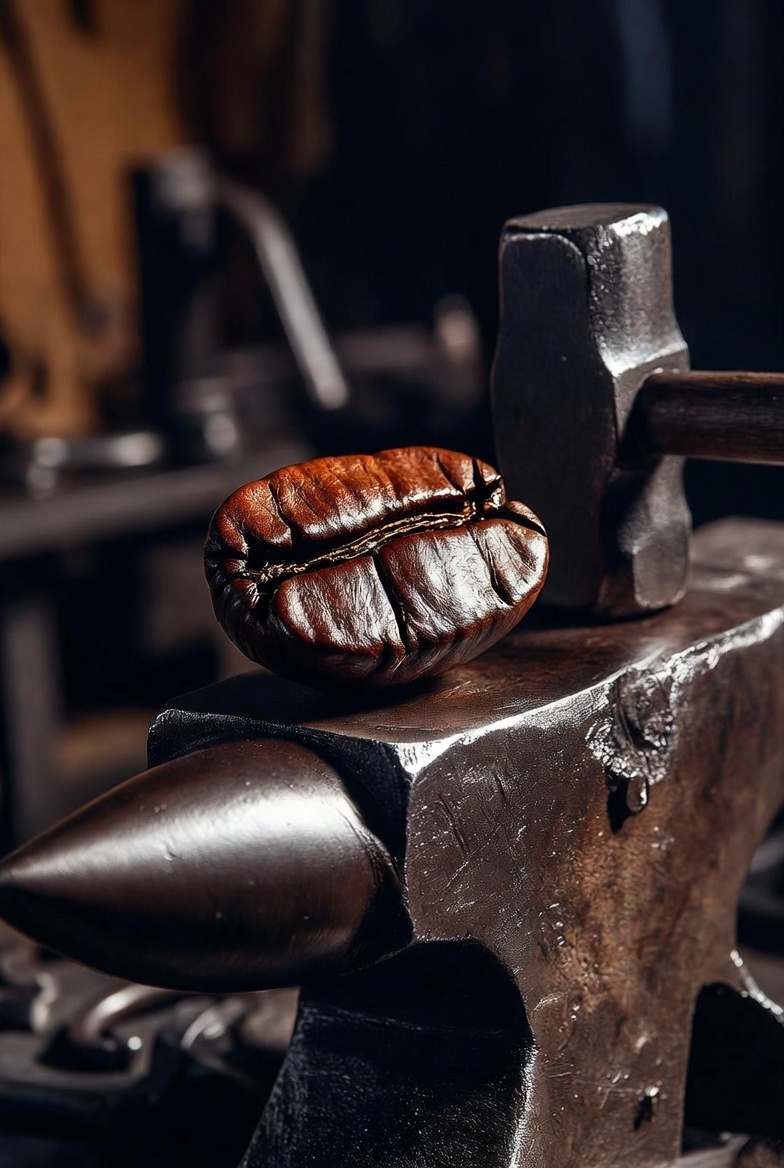
A coffee bean forged on an anvil in a dimly lit workshop, emphasizing traditional craftsmanship.

From Bean to Brew: Exploring the Best Methods for Drip Grind Specialty Coffee


The aroma of freshly brewed coffee is a siren song for many, a ritualistic start to the day, or a comforting companion throughout. But when you venture beyond the supermarket shelf and into the world of specialty coffee, the journey from bean to cup becomes a fascinating exploration. I’ve spent countless hours, armed with a grinder, various brewing devices, and a discerning palate, delving into the nuances that separate a good cup from a truly exceptional one. This is my account of that exploration, focusing on the often-overlooked, yet critically important, drip grind methods for specialty coffee.

Coffee Bean Basics: The Foundation of Flavor

Before we even think about grinding, the bean itself is the genesis of everything. Imagine a song; the melody is set by the notes played by the instruments. In coffee, the origin and roast level are the primary instruments.

The Influence of Origin

Where a coffee bean is grown is not merely a geographical marker; it's a tapestry of environmental influences. Altitude, soil composition, rainfall, and the specific varietal of coffee plant all contribute to a unique flavor profile. My experiences with Bilge Brew Coffee Company have been particularly illustrative. Their meticulous sourcing highlights how a Kenyan bean, with its bright acidity and berry-like notes, stands in stark contrast to a Sumatran bean, often characterized by its earthy undertones and fuller body. This isn't about better or worse; it's about diversity. Understanding these origin characteristics allows us to anticipate the flavor we’re likely to extract. A single-origin Ethiopian, for instance, might sing with floral notes when brewed correctly, while a Brazilian bean might offer a comforting, chocolatey hum.

Roast Levels: The Sculptor of Taste

The roast is where the raw potential of the bean is unlocked and shaped. A light roast often preserves the delicate, nuanced flavors of the origin, resulting in a brighter, more acidic cup. Think of it as leaving more of the bean's natural voice intact. As the roast deepens, these inherent flavors begin to transform. Medium roasts offer a balance, developing more sweetness and body while still allowing some of the origin characteristics to shine through. Then there are the dark roasts, where the bean’s sugars caramelize extensively, creating bold, often bittersweet flavors with a richer, heavier mouthfeel. It's akin to turning up the bass in the music. For drip brewing, particularly with specialty coffee, I’ve found that medium to medium-light roasts often yield the most complex and satisfying results, allowing the intricate flavors of the bean to be expressed without being overshadowed by roast-induced bitterness.

Coffee Grind 101: The Crucial Cut

The grind size is, without exaggeration, one of the most critical variables in achieving a pristine drip coffee. It dictates how efficiently water can extract flavor from the coffee grounds. Get it wrong, and your carefully selected bean will taste like a forgotten memory in a burnt offering.

The Grind Size Chart for Bitter-Free Drip

A coarse grind, resembling sea salt, is ideal for methods where water has a longer contact time, like a French press. A fine grind, like powdered sugar, is best suited for espresso, where water is forced through under high pressure. For drip coffee, which sits somewhere in the middle, a medium grind is generally the sweet spot. Imagine a Venn diagram of extraction: too coarse and the water rushes through, leaving the coffee underdeveloped and weak. Too fine, and the water struggles to penetrate, leading to over-extraction and that dreaded bitterness. I’ve learned from my experiments that for most automatic drip machines, a grind that feels like granulated sugar is a good starting point. This size allows for adequate contact time for flavor extraction without becoming so fine that it clogs the filter or leads to over-extraction. A slightly coarser grind might be beneficial for certain cone-shaped pour-over devices, while a slightly finer grind might be necessary for some flatter-bottomed drip brewers. The key is to observe your brew. If it’s sour or weak, try a slightly finer grind. If it’s bitter, go a touch coarser.

This is a debate that often arises in the pursuit of better coffee, and the answer is, as with most things, nuanced.

When a Coffee Grinder Actually Matters

The difference between freshly ground coffee and pre-ground coffee is like the difference between a freshly baked loaf of bread and one that’s been sitting on the counter for days. Once coffee beans are ground, their surface area is dramatically increased, exposing them to oxygen and accelerating the staling process. Volatile aromatic compounds, the very essence of coffee’s flavor and aroma, begin to dissipate rapidly. Therefore, for specialty coffee, where the goal is to capture and appreciate these delicate nuances, a burr grinder is not just an upgrade; it’s a necessity. A burr grinder uses two abrasive surfaces to crush beans into consistent particle sizes, which is paramount for even extraction. Blade grinders, on the other hand, chop beans inconsistently, creating a mix of fine dust and large chunks, leading to uneven extraction. If you're investing in quality beans, failing to grind them fresh is like buying a premium paintbrush and then only using it to stir paint.

When Pre-Ground Might Be Acceptable

However, there are situations where pre-ground coffee can be considered. If you own a very basic drip coffee maker with a fairly coarse brew basket and you're not particularly concerned with the subtlest flavor notes, or if you're brewing a large batch for a crowd and time is of the essence, then pre-ground coffee from a reputable source might suffice. Some companies offer vacuum-sealed pre-ground coffee that mitigates some of the staling. But for the discerning coffee drinker seeking the full spectrum of flavors a specialty bean has to offer, fresh grinding is the non-negotiable step. It's truly the difference between hearing a muffled band through a wall and standing in the front row, feeling the music reverberate.

Coffee Brewing Methods Compared: Beyond the Auto-Drip

While this article focuses on drip grind methods, it’s important to place them within the broader landscape of coffee brewing to understand their specific strengths. If you're interested in learning more about which coffee brewing method is the best option for you, check out this article.


Ninja Coffee Maker Setup: Mastering the Machine

Metrics Value
Number of Coffee Settings 6
Water Reservoir Capacity 50 oz
Brew Size Options Single Cup, XL Cup, Travel Mug, XL Multi-Serve, Half Carafe, Full Carafe
Dimensions 11.99 x 8.75 x 15.04 inches
Weight 9.24 lbs

The Ninja coffee maker, with its promise of versatility, can be a powerful tool in the home barista’s arsenal. However, like any tool, it needs to be understood and utilized correctly.

Here's a simple Ninja Brewer that is no nonsense and works amazing for drop coffee: https://amzn.to/4brCF5C

Dialing in Your Ninja for Clean, Consistent Cups

The key to achieving clean, consistent cups from a Ninja coffee machine lies in understanding its various settings and variables. Firstly, the grind size is paramount, as discussed. For most Ninja drip brew settings, a medium grind is recommended. Experiment with the strength settings; the "Rich" setting often uses a slower water flow, which can be beneficial for fuller extraction, while "Classic" is more standard. Pay attention to the water-to-coffee ratio. A good starting point is 1:15 or 1:16 (e.g., 1 gram of coffee to 15-16 grams of water). If your coffee tastes weak, you might need a finer grind or a higher coffee dose. If it's bitter, try a coarser grind or a lower coffee dose. Remember to clean your machine regularly; mineral buildup can impede water flow and affect taste, acting like a clogged filter in a sound system. The brew basket size and type also matter; some Ninja models have scoops that are designed to deliver a specific amount of coffee, so follow those guidelines initially and then adjust to your preference.

Keurig Coffee Makers, Upgraded: A Pod Predicament

coffee in a roaster being rotated

Keurig machines have undeniably revolutionized home coffee consumption for many with their convenience. However, when it comes to specialty coffee, they present a unique set of challenges.

Getting Better Drip-Style Results from Pods

1st step: You need a refillable k-cup: https://amzn.to/451Iumy

The essence of a Keurig is pre-portioned, pre-ground coffee in a sealed pod. This inherently limits your control over grind size and freshness. However, there are ways to improve the outcome. Firstly, explore third-party reusable K-cups. These allow you to use your own freshly ground specialty coffee. With a reusable pod, you regain control over the grind size (aim for a medium-fine grind, as the water flow is quite restricted) and the coffee itself. Experiment with different brands and roast levels of your favorite beans. Secondly, if you are using pre-made pods, look for brands that explicitly state they use 100% specialty-grade beans and that their roasting process is geared towards optimal flavor. Some premium pod brands are starting to emerge that offer a more nuanced experience. It's like trying to make a gourmet meal with pre-made ingredients; you are limited by what’s available, but careful selection can still yield satisfying results. However, for the true connoisseur, the limitations of the pod system will always be a hurdle.

Premium Coffee Makers: Features That Count

The market is flooded with coffee makers touting "premium" features. Differentiating between genuine innovation and marketing fluff is crucial.

What “Premium” Features Help—and What’s Just Marketing

True premium features in coffee makers often center around control and consistency. This includes precise temperature control (ideally within a few degrees of the optimal brewing range of 195-205°F / 90-96°C), uniform water distribution (a showerhead designed to saturate the grounds evenly), and programmable bloom phases. Machines that allow for precise grind settings on integrated grinders also fall into this category. Features like "self-cleaning" are often beneficial for maintenance. However, "smart" features that require app connectivity for basic brewing adjustments or those that promise flavor enhancement through AI are often just marketing jargon. The core of a great cup of coffee lies in the fundamentals: quality beans, correct grind, proper water temperature, and balanced extraction. A premium machine should facilitate these, not replace the understanding of them. It's like a high-end chef's knife; it's exceptionally well-made and enhances the chef's skill, but it won't make a novice a master chef on its own.

Anomalous Coffee Machine Talk: The Quirky and the Curious

The world of coffee machines is not without its eccentricities, particularly with the rise of "smart" technology.

Weird “Smart” Coffee Machines: What’s Useful vs. Gimmick

Some coffee machines now connect to Wi-Fi, offering app control for brewing, voice commands, and even personalized brewing profiles based on your past preferences. While the convenience of starting your brew from bed is alluring, much of this can be considered a gimmick. What is useful is the ability for these machines to accurately control and maintain precise water temperatures, or to log and recall specific water-to-coffee ratios. If an app allows you to meticulously set brew time, water temperature, or even replicate a specific bloom phase, then it's serving a purpose beyond novelty. However, if the "smart" features simply allow you to press a button that a physical button already performs, then it's more about technological flair than functional improvement. It's akin to having a silk tie for your car's steering wheel; it looks fancy, but doesn't fundamentally improve the driving experience.

How Much Caffeine in Coffee: The Variables at Play

Understanding caffeine content in coffee is less about a fixed number and more about a constellation of influencing factors.

What Changes Caffeine Most (Bean, Grind, Dose, Brew Method)

The caffeine content in your cup is a dynamic entity. The type of bean plays a role, with Robusta beans typically containing significantly more caffeine than Arabica beans. The roast level has a minor impact; dark roasts can have slightly less caffeine by weight because coffee beans lose mass during roasting, but the difference is often negligible in a typical serving. The grind size itself doesn't directly alter the caffeine amount in the bean, but it affects how efficiently that caffeine is extracted into the water. A finer grind offers more surface area, potentially leading to slightly higher extraction, especially if over-extracted. The most significant factors are the dose (how much coffee you use) and the brew method. A stronger dose of coffee will naturally result in more caffeine. Immersion methods like French press or cold brew, which have longer contact times and often use more coffee, can extract a higher total amount of caffeine over time. For drip coffee, a longer brew time or a more efficient extraction can lead to slightly more caffeine reaching your cup.

Coffee Break Culture: The Home Barista Experience

The cherished coffee shop experience is no longer solely confined to bustling cafes. We can cultivate our own version at home, turning a simple break into a mindful ritual.

Finding the “Best Coffee Shops Near Me” Experience at Home

To recreate the ambiance and quality of a great coffee shop at home, several elements come into play. Firstly, it’s about the intent. Approach your coffee preparation with a sense of care and intentionality, much like a barista crafting a drink. Secondly, it's about the sensory experience. Invest in a comfortable mug that feels good in your hands, find a quiet spot to enjoy your brew, and perhaps complement the experience with some light reading or music. The "best coffee shops near me" often excel at creating an inviting atmosphere; you can do the same. This means investing in quality beans, a good grinder, and a reliable brewing method you enjoy. It’s about treating your coffee break as a moment of mindfulness, a small act of self-care. The coffee table becomes the counter, your favorite chair becomes the cozy booth, and the clatter of the cafe is replaced by the gentle hum of your brewing device or the serene silence of focused brewing. It's not just about the coffee; it's about the ritual, the comfort, and the deliberate pause in the day.


So...that leaves us with this: Start with Anchor Espresso.More payment options

ANCHOR ESPRESSO is a dark roast espresso coffee built for strength, body, and stability, designed to deliver a heavy, grounded cup without drifting into harsh bitterness.

FAQs


1. What factors influence the flavor of drip coffee from specialty coffee beans?

The origin and roast of the coffee beans play a significant role in shaping the flavor of drip coffee. Different origins and roasts can result in varying flavor profiles, allowing for a diverse range of tastes in specialty coffee.

2. How does grind size affect the taste of drip coffee, and what is the grind size chart for achieving the best results?

Grind size directly impacts the extraction process and flavor of drip coffee. Using the appropriate grind size for the brewing method can prevent bitterness and enhance the overall taste. A grind size chart can guide coffee enthusiasts in achieving the desired flavor profile for their drip coffee.

3. When is it necessary to use a coffee grinder instead of pre-ground coffee for drip brewing?

A coffee grinder is essential when freshness and flavor are a priority. Grinding coffee beans just before brewing preserves the aroma and flavor compounds, resulting in a more flavorful cup of drip coffee. However, pre-ground coffee can be suitable for convenience and certain brewing methods.

4. What are the differences in flavor and texture when comparing drip, pour-over, and French press brewing methods for specialty coffee?

Each brewing method offers unique characteristics in flavor and texture. Drip brewing tends to produce a smooth and clean cup, while pour-over emphasizes clarity and complexity. French press brewing yields a full-bodied and rich coffee experience.

5. What are the key features that distinguish premium coffee makers, and how do they contribute to the quality of drip-style coffee?

Premium coffee makers often incorporate advanced brewing technologies, customizable settings, and durable construction. These features can contribute to precise extraction, temperature control, and overall consistency, ultimately enhancing the quality of drip-style coffee.

Back to blog

Leave a comment

Please note, comments need to be approved before they are published.